

Countertops form the visual and functional centerpiece of any kitchen. They not only provide a reliable and durable surface for food preparation but also contribute significantly to the overall aesthetic of the space. With so many materials available on the market today, choosing the right countertop can feel overwhelming. Among the top choices for homeowners seeking both functionality and timeless style is Soapstone.
In this comprehensive guide, we’ll walk you through everything you need to know about Soapstone Countertops—including their benefits, drawbacks, costs, maintenance, installation, lifespan, comparisons with other materials, and design tips—so you can make a well-informed decision for your kitchen or bathroom renovation.
What Is Soapstone?
Soapstone is a naturally occurring metamorphic rock primarily composed of talc. This high talc content gives the stone its characteristically soft, silky texture—similar to that of a bar of soap, hence the name. Additional minerals like chlorite, magnesite, and dolomite contribute to the stone’s overall hardness and resilience, making it a surprisingly durable option despite its softness.
Soapstone has been used for centuries, prized for its resistance to chemicals and heat. You’ll often find it in laboratories, fireplaces, and high-end kitchens. It remains cool to the touch and resists temperature swings, making it both a functional and aesthetic asset in home design. Its ability to age gracefully adds a touch of rustic charm to any interior. As it oxidizes over time, soapstone darkens, developing a rich patina that makes it even more unique and attractive.
Lifespan of Soapstone Countertops
Soapstone countertops are incredibly durable, and their average lifespan can exceed 20 to 30 years with proper care. Because soapstone does not require sealing and is naturally non-porous, its integrity remains intact over the years. Unlike other stones, soapstone doesn’t deteriorate from water exposure, which is a common cause of degradation in countertops.
Many historical buildings still contain soapstone surfaces from over a century ago, a testament to the stone’s impressive longevity. Even with minor surface scratches over time, the ability to sand and re-oil the stone helps it maintain a fresh appearance for decades. This makes soapstone a smart long-term investment for homeowners who want both durability and character. Over time, these countertops tell a story through their evolving textures and shades, offering a sense of timeless charm.
Soapstone vs. Other Countertop Materials
Soapstone vs. Granite
- Durability: Granite is harder and more resistant to scratches, but soapstone is more forgiving in terms of repair. While granite may crack under sudden impact, soapstone’s softness often absorbs shock better.
- Maintenance: Granite requires regular sealing; soapstone does not, making it more hassle-free over time.
- Heat Resistance: Both are excellent, but soapstone can handle hotter items more directly without risk of cracking or discoloration.
- Appearance: Granite offers a broader color palette, whereas soapstone provides consistent tones with elegant veining that age beautifully.
- Cost-effectiveness: Granite is widely available, but when factoring in long-term maintenance, soapstone often proves to be more cost-effective.
Soapstone vs. Quartz
- Durability: Quartz is engineered and highly durable, resistant to scratches and chips, but may not tolerate heat as well.
- Maintenance: Quartz is low maintenance but may stain with heat exposure. Soapstone handles heat better and is easier to renew with oiling.
- Eco-Friendliness: Soapstone is 100% natural. Quartz includes synthetic resins and pigments, making it less environmentally friendly.
- Installation: Both require professional installation, but soapstone’s natural origin gives it a unique, timeless look.
Soapstone vs. Marble
- Porosity: Marble is more porous and prone to staining without sealing. Soapstone is naturally non-porous, offering easier upkeep.
- Maintenance: Marble requires sealing and can etch easily with acidic substances. Soapstone’s resistance to acids makes it ideal for messy kitchens.
- Aesthetics: Marble has luxurious veining and bright colors, while soapstone offers a more subtle, matte finish with understated elegance.
- Durability: Marble can scratch and chip over time. Soapstone is softer but more forgiving and easily repaired.
Design and Aesthetic Versatility
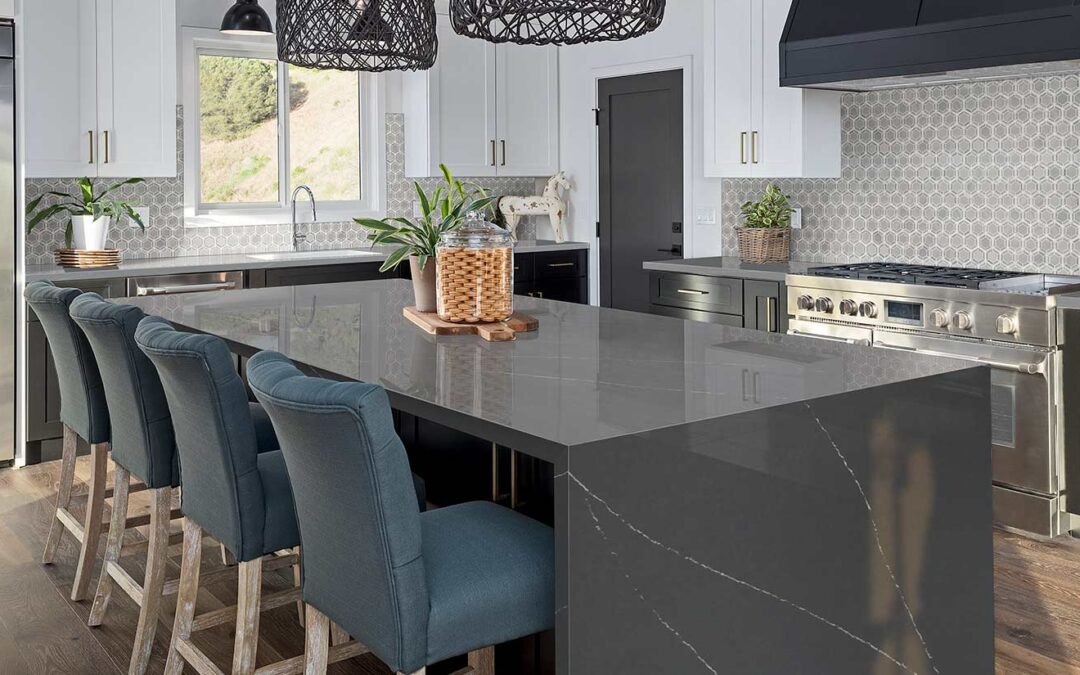
Although soapstone is not available in as many colors as granite or quartz, its subtle beauty is part of its appeal. The available hues usually range from light gray to dark charcoal, often featuring graceful white or greenish veining. These characteristics make each slab uniquely beautiful, allowing homeowners to choose a look that reflects their individual taste.
Soapstone blends well with various kitchen designs—rustic, modern, traditional, or farmhouse. Its matte texture and evolving patina can complement wooden cabinetry, stainless steel appliances, and even bright-colored kitchen décor. It’s also an excellent option for islands, backsplashes, and integrated sinks, creating visual continuity across the kitchen.
Surface Finish Options
- Natural Finish: Maintains its original matte, soft look and ages gracefully over time. This finish is ideal for a rustic or natural look.
- Oiled Finish: Deepens the stone’s natural hues and enhances veining for a more dramatic look. It also speeds up the natural darkening process.
- Waxed Finish: Offers a darker, richer aesthetic while preserving the stone’s texture. This option requires slightly more upkeep but delivers a stunning finish.
Each finish can drastically change the countertop’s appearance, allowing you to tailor your space for a modern, rustic, or traditional feel.
Cost of Soapstone Countertops
Soapstone is typically priced in the same ballpark as mid-to-high-end granites and engineered quartz. On average, you can expect to pay between $70 and $120 per square foot, including material, fabrication, and installation. While the initial investment may seem high, its long-term durability and minimal maintenance often make it more cost-effective in the long run.
Factors that influence pricing include:
- Source and grade of the stone
- Thickness of the slab
- Level of veining and finish
- Customizations such as sink cutouts, edges, and backsplashes
- Regional availability and transportation costs
Additionally, consider the environmental impact and aesthetic value. Investing in a natural and timeless material like soapstone can enhance your home’s resale value and appeal to future buyers seeking sustainable design choices.
Installation Considerations
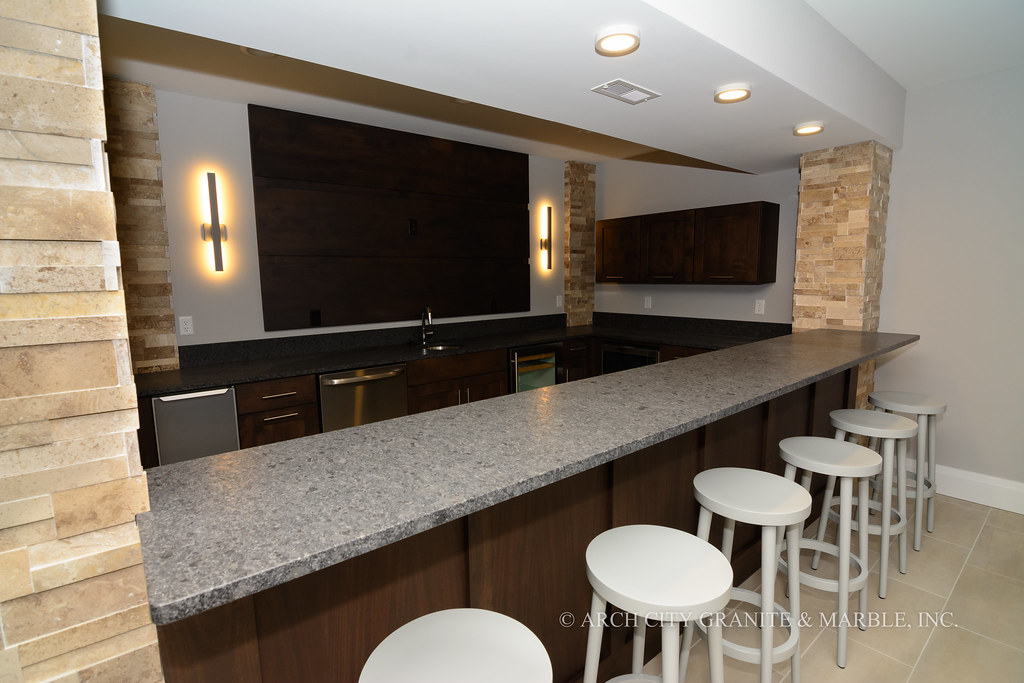
Because soapstone is softer than many other stones, it’s easier to cut and shape. This makes it an excellent candidate for custom installations with intricate designs or unique layouts. However, its density and weight still require a solid support structure underneath. Precision is crucial, especially around sinks and corners. Although a skilled DIYer could attempt a soapstone installation, hiring a professional ensures a seamless result and reduces the risk of costly mistakes.
Proper installation includes careful measurement, secure anchoring, and seamless jointing. Custom edges and cutouts must be done with attention to detail to maintain structural integrity. A well-installed soapstone countertop can last a lifetime and continue to impress year after year.
Maintenance and Upkeep Tips
Soapstone is low maintenance, but to keep it looking its best, follow these tips:
- Clean daily with a soft cloth and pH-neutral soap. Avoid harsh or acidic cleaners that might degrade the finish.
- Apply mineral oil once a month for the first year, then as needed. This helps the stone oxidize evenly and enhances color richness.
- Use fine sandpaper to buff out scratches. It’s a simple DIY process that restores the stone’s original look.
- Avoid harsh chemicals or abrasives to maintain the surface integrity. A gentle wipe is usually all that’s required.
- Wipe spills quickly, especially from acidic foods like tomatoes or vinegar, even though soapstone is acid-resistant.
Regular care builds a consistent, even patina, which is a signature aesthetic of soapstone countertops. Homeowners can personalize the finish through maintenance frequency—more oiling for a darker look, less for a natural aging effect.
Design Tips for Integrating Soapstone Countertops
- Pair with white or cream cabinets to create a striking contrast that brightens the space.
- Use brushed metal fixtures for a modern, industrial look that complements the matte finish.
- Add wood accents for warmth and a rustic farmhouse appeal that balances cool-toned soapstone.
- Consider a waterfall edge for a contemporary kitchen upgrade with seamless flow.
- Incorporate integrated sinks made from the same soapstone slab for a cohesive appearance.
- Add open shelving to contrast textures and make the space feel airy and inviting.
- Use soapstone as a full backsplash to increase continuity and protect walls from stains.
These small touches can dramatically elevate the appearance of your kitchen while maximizing the visual impact of your soapstone countertops. Creative combinations with cabinetry, lighting, and hardware bring out the best in this classic stone.
Pros and Cons of Soapstone Countertops
Pros:
- No need for sealing due to its non-porous nature
- High resistance to heat, stains, and acids
- Low maintenance and easy to repair
- Eco-friendly and 100% natural
- Unique patina develops with time, adding character
- Safe for food preparation with minimal bacterial growth
- Enhances resale value with timeless appeal
Cons:
- Limited color palette compared to granite or quartz
- Softness leads to scratches and minor dents over time
- Requires occasional oiling to maintain appearance
- May darken unevenly if not oiled consistently
- Professional installation can be costly depending on complexity
- Can wear unevenly in high-traffic zones without consistent care
Frequently Asked Questions (FAQs)
Q: Is soapstone more expensive than granite?
A: Generally, soapstone and granite are similarly priced, but it depends on the quality and location of the stone. Exotic soapstone varieties may cost more.
Q: Can I place hot pots on soapstone?
A: Yes, soapstone can handle extreme temperatures without damage, making it perfect for kitchen use.
Q: Does soapstone scratch easily?
A: It can scratch more easily than granite, but most marks can be sanded out quickly.
Q: Does soapstone need sealing?
A: No, unlike other natural stones, soapstone is non-porous and doesn’t require sealing.
Q: Is it safe for food preparation?
A: Absolutely. Its non-porous surface is bacteria-resistant and safe for food prep.
Q: How long do soapstone countertops last?
A: With proper care, soapstone countertops can easily last 20 to 30 years, and some historical soapstone installations have lasted well over 100 years.
Q: Will soapstone change color over time?
A: Yes, it develops a darker patina, especially when oiled regularly. This is a natural part of the aging process.
Where to Buy Soapstone Countertops Near Randolph, NJ
If you’re ready to enhance your kitchen or bathroom with the classic look and enduring performance of soapstone, turn to All Quartz Marble and Granite—Randolph, NJ’s trusted experts in natural stone surfaces. We offer a curated selection of premium soapstone slabs and provide full-service fabrication and installation.
Our team works closely with homeowners, designers, and contractors to bring your vision to life. From choosing the right slab to final installation, our commitment to quality craftsmanship and customer satisfaction ensures stunning results every time. With a reputation built on precision, transparency, and quality materials, we ensure your countertop becomes the focal point of your dream kitchen.
Contact Us Today
Transform your kitchen with the timeless beauty of soapstone. Contact us today to schedule your free consultation!
📍 Address: 12 Middlebury Blvd, Randolph, NJ
📞 Phone: 908-239-2098
🌐 Website: https://allquartznj.com