

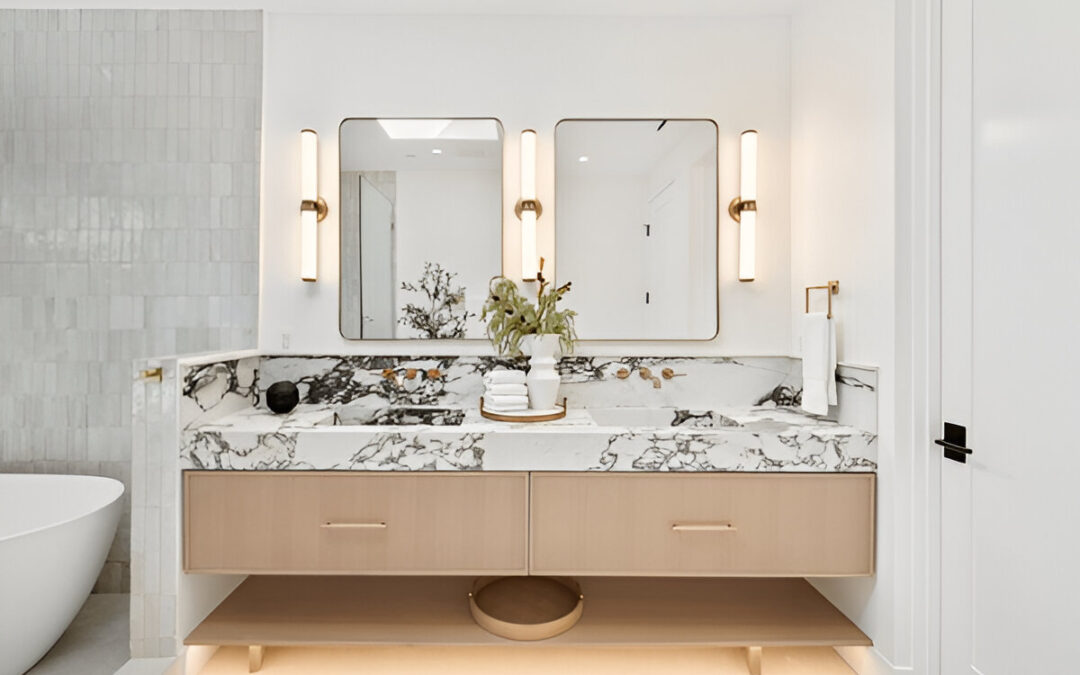
There’s something undeniably luxurious about marble countertops. From historic mansions in Montclair to sleek urban condos in Hoboken, marble has graced countless North Jersey homes with its elegant veining, luminous glow, and classic appeal. Yet despite its popularity, marble is also surrounded by a host of myths and misconceptions that often leave homeowners hesitant to choose this timeless stone.
When considering upgrades for kitchens or bathrooms, many North Jersey residents worry that marble is too delicate, outrageously expensive, or simply impractical for modern living. You might have heard that marble scratches if you look at it the wrong way, that it’s impossible to maintain, or that it’s suitable only for million-dollar estates. But are these widespread beliefs truly accurate?
The reality is far more nuanced. While marble indeed has unique characteristics requiring thoughtful care, it’s also a versatile, durable, and surprisingly accessible option for homeowners seeking sophisticated surfaces. Modern sealing techniques, evolving design trends, and expert fabrication have made marble more practical than ever before—even in busy family households.
In this comprehensive guide, we’ll tackle the common myths about marble countertops, separating fact from fiction and revealing why marble remains an enduring favorite across North Jersey. We’ll explore the stone’s strengths and weaknesses, clarify maintenance realities, and help you make an informed decision. If you’re intrigued by marble’s beauty but concerned about its reputation, read on—we’re here to set the record straight.
Myth #1: Marble Is Too Soft for Kitchens
One of the most persistent common myths about marble countertops is that marble is far too soft for a working kitchen. Homeowners often envision surfaces marred by every knife stroke, pot scrape, or dropped utensil. But is marble really that fragile?
Here’s the truth: marble is a natural stone composed primarily of calcite, which is indeed softer than granite or quartzite. On the Mohs scale of mineral hardness, marble ranks around 3, compared to granite’s 6-7. This means marble can scratch more easily than harder stones. However, the extent of scratching in daily life is often exaggerated.
Modern homeowners use cutting boards, trivets, and gentle cleaning practices—habits that protect any countertop surface, marble included. Most scratches on marble are surface-level and can often be buffed out or blended into the stone’s natural patina. In fact, many people appreciate the way marble develops a soft, lived-in look over time, adding character to the space.
Professional fabricators can also recommend finishes like honing, which helps camouflage scratches and etches by giving marble a matte rather than glossy surface. A honed finish is especially practical for busy North Jersey kitchens where minor marks blend seamlessly into the stone’s elegant veining.
Ultimately, while marble isn’t indestructible, it’s perfectly suitable for kitchen countertops when treated with reasonable care and maintenance. Don’t let the myth of excessive softness keep you from enjoying marble’s unparalleled beauty in your home.
Myth #2: Marble Countertops Are Impossible to Maintain
Another pervasive common myth about marble countertops is that they’re practically impossible to maintain, requiring constant pampering and specialized care. Many homeowners believe owning marble means endless stress about spills, stains, and damage from everyday activities.
In truth, while marble does demand a bit more attention than engineered materials like quartz, it’s hardly the high-maintenance diva it’s made out to be. Modern sealers have revolutionized marble care, making the surface far more resistant to stains and moisture penetration than it once was.
Here’s what maintenance actually looks like:
-
Sealing: Marble should be professionally sealed upon installation and resealed every 6-12 months, depending on usage and the specific stone variety.
-
Daily Cleaning: Wipe down surfaces with a soft cloth and mild, pH-neutral cleaner. Avoid harsh chemicals, which can dull marble’s finish.
-
Quick Spill Response: Acidic substances like lemon juice, wine, or vinegar should be cleaned up promptly to prevent etching.
-
Use Trivets and Cutting Boards: Protect the surface from hot pans, sharp knives, and heavy impacts.
With these straightforward habits, marble countertops can remain stunning for decades. Many North Jersey homeowners find marble no more challenging to maintain than other natural stones.
Ultimately, when evaluating the common myths about marble countertops, maintenance shouldn’t be a dealbreaker. Marble may require a little extra TLC, but its rewards—in beauty and elegance—are more than worth the effort.
Myth #3: Marble Always Stains and Etches
Among the most well-known common myths about marble countertops is the idea that marble will inevitably become stained and etched, leaving surfaces covered in permanent marks. While it’s true that marble is more porous than granite or quartzite, the doom-and-gloom reputation is largely exaggerated.
Marble can indeed be vulnerable to acidic substances, which react with the calcite in the stone, causing dull spots known as etching. However, modern sealers help significantly reduce the stone’s porosity, making it less likely for spills to penetrate deeply or leave lasting stains.
A few practical points:
-
Light-colored marbles are more prone to visible staining than darker varieties.
-
Etching is often shallow and can be refinished or polished out by professionals.
-
Many homeowners embrace marble’s evolving patina, considering minor etches part of its charm.
For North Jersey homeowners who want to minimize risk, honed finishes are an excellent choice. A honed surface doesn’t show etches as easily as a polished surface, maintaining a consistent appearance even with daily use.
When it comes to staining, most modern marble installations in North Jersey resist discoloration beautifully as long as spills are wiped up quickly. Routine sealing provides an effective barrier, protecting the stone from moisture and oils.
Ultimately, the fear that marble will instantly stain or etch with every drop of liquid is one of the most exaggerated common myths about marble countertops. Proper care and awareness go a long way in keeping marble surfaces gorgeous for years to come.
Myth #4: Marble Countertops Are Only for the Wealthy
A very persistent common myth about marble countertops is that they’re strictly a luxury reserved for the ultra-wealthy. Many North Jersey homeowners assume marble is unattainable unless they’re outfitting a million-dollar estate or an extravagant high-rise penthouse.
The truth? While marble can certainly be expensive, especially rare varieties like Calacatta Gold or Statuario, it’s far from exclusively a material for the rich. Several factors influence marble’s price, including:
-
Type of Marble: Classic marbles like Carrara are surprisingly affordable and widely available, offering stunning veining and timeless elegance at a moderate price point.
-
Slab Size and Thickness: Smaller pieces for bathroom vanities or backsplashes can be quite budget-friendly.
-
Finish Choice: Honed finishes can sometimes be less costly than polished finishes due to reduced labor.
-
Origin and Rarity: Imported or exotic stones will naturally cost more due to transportation and limited supply.
For North Jersey homeowners, there’s an added advantage: access to local fabricators and suppliers who can help source marble slabs at competitive prices. Many businesses carry a range of marble options that accommodate different budgets without sacrificing style.
Moreover, marble can be used strategically. Instead of installing marble throughout an entire kitchen, homeowners might choose it for a dramatic island countertop, bathroom vanity, or fireplace surround, adding luxury without the full expense.
When evaluating the common myths about marble countertops, affordability is one of the biggest misconceptions. Marble is more attainable than many believe, offering luxury and sophistication without always requiring a luxury budget.
Myth #5: Marble Is Outdated and Old-Fashioned
In the constantly shifting world of design trends, one of the less accurate yet surprisingly common myths about marble countertops is that marble is somehow outdated or tied only to traditional aesthetics. Some homeowners fear that choosing marble will make their kitchen or bathroom look like a relic of the past.
This couldn’t be further from the truth. Marble has been a design staple for centuries—and for good reason. Its ability to blend seamlessly into diverse styles makes it one of the most versatile materials available. In modern North Jersey homes, marble is making bold appearances in:
-
Minimalist Designs: Clean, honed marble surfaces pair perfectly with sleek cabinetry and understated hardware, creating serene, contemporary spaces.
-
Industrial Lofts: Marble contrasts beautifully with exposed brick, concrete, and metal, adding a soft, elegant touch to industrial aesthetics.
-
Eclectic Interiors: Marble’s natural veining introduces dynamic visual interest, fitting effortlessly into colorful, layered designs.
-
Modern Bathrooms: Large-format marble slabs used on shower walls or floors create a seamless, spa-like retreat.
New fabrication techniques have expanded marble’s application. Designers now use marble in waterfall countertops, statement backsplashes, floating vanities, and even integrated sinks. Honed and leathered finishes provide a matte, modern alternative to the traditional glossy polish.
Marble’s inherent elegance ensures it never truly goes out of style. Instead, it evolves, adapting to new trends while maintaining its timeless charm. When exploring common myths about marble countertops, the notion that marble is outdated is one of the easiest to debunk. In reality, it remains at the forefront of design innovation in North Jersey and beyond.
Myth #6: Marble Isn’t Suitable for Bathrooms
One of the frequently circulated common myths about marble countertops is that marble has no place in a bathroom because it’s “too delicate” for the space’s moisture and chemical exposure. While it’s true that bathrooms present unique challenges for countertop materials, marble can absolutely thrive in these environments when chosen and maintained wisely.
Marble’s non-porous nature—once sealed—makes it quite resistant to water absorption. Modern sealers provide a strong barrier that helps prevent moisture intrusion, staining, and the growth of mold or mildew. Marble has been used successfully for centuries in bathroom applications, including:
-
Vanity Countertops: Providing a luxurious touch and pairing beautifully with modern or traditional cabinetry.
-
Shower Walls and Floors: Offering a seamless, high-end look, particularly with large-format slabs.
-
Tub Surrounds: Creating a spa-like atmosphere with elegance and warmth.
-
Bathroom Floors: Bringing natural beauty and cool comfort underfoot.
Key precautions ensure marble remains in top condition:
-
Regular sealing to protect against water and soap residue.
-
Avoiding harsh or acidic bathroom cleaners that can etch the surface.
-
Using mats or trays under toiletry bottles to prevent staining from lotions, perfumes, and cosmetics.
While marble can etch or stain with prolonged exposure to certain substances, these risks are manageable with proper care. Many North Jersey homeowners embrace the idea of a marble bathroom, valuing its luxurious ambiance and timeless beauty.
Ultimately, dismissing marble as unsuitable for bathrooms is one of the most unfounded common myths about marble countertops. In reality, it’s a versatile and stunning option that elevates any bath space.
Myth #7: Marble Is All the Same
A surprisingly widespread yet incorrect belief among the common myths about marble countertops is that all marble is essentially the same. Some homeowners assume choosing marble is a one-size-fits-all process, with little difference from slab to slab. In reality, marble is one of the most varied and unique natural stones available, with dramatic differences in appearance, performance, and price.
The world of marble offers an astonishing diversity:
-
Carrara Marble: Classic soft white or gray stone with fine, subtle veining. Affordable and widely used.
-
Calacatta Marble: Brighter white background with bold, dramatic veins in gray or gold. More exclusive and expensive.
-
Statuario Marble: Similar to Calacatta but with thicker, striking veins and a high-end look.
-
Danby Marble: American-sourced marble known for durability and low porosity, excellent for kitchens.
-
Emperador Marble: Rich brown tones with lighter veining, perfect for warm, traditional interiors.
-
Verde Alpi Marble: Deep green marble with white veining, offering a bold, luxurious aesthetic.
Each marble variety has unique characteristics:
-
Color variation
-
Vein pattern intensity
-
Degree of translucence
-
Porosity and susceptibility to staining
-
Cost and availability
Even slabs from the same quarry can differ in veining and color, making it crucial for homeowners to view full slabs in person rather than rely on small samples. What appears subtle in a sample might look far bolder on a large countertop.
When exploring common myths about marble countertops, it’s important to recognize that no two pieces of marble are identical. This uniqueness is one of marble’s greatest strengths, allowing homeowners to create spaces that feel truly personal and one-of-a-kind.
Myth #8: Marble Countertops Are Always White
Another oversimplified but widespread common myth about marble countertops is that marble is only available in shades of white or gray. While classic white marble like Carrara or Calacatta often comes to mind first, marble exists in an extraordinary range of colors and patterns, allowing homeowners and designers enormous creative flexibility.
Marble’s palette spans from serene neutrals to vivid hues:
-
Green Marbles: Verde Alpi or Verde Guatemala feature deep green tones, perfect for dramatic statement pieces.
-
Black Marbles: Nero Marquina boasts a sleek black background with striking white veining, ideal for modern spaces.
-
Brown Marbles: Emperador offers rich chocolate tones with delicate veining, creating warmth and sophistication.
-
Pink and Red Marbles: Rosa Levanto displays bold reddish-pink hues, perfect for adventurous design statements.
-
Gold and Beige Marbles: Botticino and Giallo Siena bring warmth and opulence to traditional interiors.
-
Blue Marbles: Rare and luxurious, offering unique cool tones for contemporary settings.
Each colored marble creates a distinct mood, opening opportunities far beyond classic white. A black marble countertop can bring edgy modernity, while green or brown marble can complement rustic or earthy designs.
Homeowners in North Jersey often choose colored marbles to inject personality into a kitchen island, powder room vanity, or statement backsplash. In spaces filled with natural light, colored marble can add depth and intrigue without overwhelming the room.
When debunking common myths about marble countertops, remember this vital truth: marble’s color palette is far broader than many people realize. Its diverse shades and patterns make it an incredibly versatile material for both classic and contemporary interiors.
Myth #9: Marble Is Unsuitable for Families
Among the common myths about marble countertops, perhaps one of the most discouraging is the idea that marble simply doesn’t belong in family homes. Parents often worry that kids will spill juice, scratch the surface with toys, or damage the countertops during everyday chaos.
While marble is indeed softer and more porous than materials like quartz, that doesn’t mean it’s unsuitable for family life. In fact, many North Jersey families happily live with marble countertops, appreciating their beauty while accepting a bit of natural patina as part of the stone’s charm.
A few reasons marble works for families:
-
Durability: With proper care, marble can handle decades of use. Ancient buildings around the world still display marble floors and surfaces in excellent condition.
-
Easy Repair: Many scratches or etches can be professionally buffed out or polished.
-
Honed Finish: A honed surface disguises scratches and etching better than a polished finish.
-
Sealing Technology: Modern sealers greatly reduce staining risks, even in high-use areas.
Moreover, many families come to love the subtle character that develops on marble over time—a few gentle marks tell the story of shared meals, homework sessions, and celebrations.
Ultimately, the idea that marble is “off-limits” for families is one of the most unfounded common myths about marble countertops. Families who understand how to care for natural stone often find marble an entirely workable—and beautiful—choice.
Myth #10: Marble Loses Its Value Over Time
One of the more discouraging common myths about marble countertops is the belief that marble loses its value quickly and isn’t a good investment for a home. Some homeowners worry that buyers will avoid marble kitchens or bathrooms due to concerns about maintenance or visible wear.
The reality is quite the opposite. Marble remains one of the most coveted and prestigious natural stones in real estate, particularly in areas like North Jersey, where design and property values are taken seriously. Marble’s association with luxury and timeless beauty consistently appeals to discerning homebuyers.
Reasons marble retains—and even enhances—home value include:
-
Timeless Appeal: Marble has been admired for centuries and never goes out of style. Unlike synthetic trends that fade, marble’s classic look endures.
-
Luxury Perception: Homes with marble surfaces are often seen as high-end, which can help command premium listing prices.
-
Custom Aesthetics: Because no two marble slabs are identical, buyers appreciate the unique beauty marble brings to a home.
-
Renovation ROI: Marble surfaces in kitchens or bathrooms can increase a home’s desirability and reduce time on the market.
Even when a marble surface develops a patina or shows some wear, many buyers view this as an authentic, lived-in quality rather than a flaw. In Europe, centuries-old marble surfaces are prized precisely because they tell a story.
When evaluating the common myths about marble countertops, it’s crucial to recognize marble’s solid reputation as an investment. Far from diminishing a home’s value, marble can be one of its most appealing selling points.
Marble Myths: Quick Reference Table
To summarize the insights we’ve explored, here’s a handy table separating fact from fiction regarding the common myths about marble countertops:
| Myth | Reality |
|---|---|
| Marble is too soft for kitchens | Marble is durable enough with proper care and honed finishes help disguise wear. |
| Marble is impossible to maintain | Regular sealing and gentle cleaning make maintenance manageable. |
| Marble always stains and etches | Modern sealers reduce staining; etching is shallow and repairable. |
| Marble is only for wealthy homeowners | Many affordable options exist, especially local varieties like Carrara. |
| Marble is outdated and old-fashioned | Marble fits seamlessly into modern, minimalist, and eclectic designs. |
| Marble isn’t suitable for bathrooms | Proper sealing and care make marble excellent for bathroom applications. |
| All marble looks the same | Vast differences exist in color, veining, and performance between marble types. |
| Marble is only available in white | Marble comes in green, black, brown, pink, gold, and more. |
| Marble isn’t suitable for families | Families live happily with marble, appreciating its evolving character. |
| Marble loses value over time | Marble remains highly desirable and can increase home resale value. |
This quick-reference table helps homeowners tackle the common myths about marble countertops with confidence and clarity.
Practical Tips for Choosing Marble Confidently
Armed with the facts, homeowners considering marble can navigate the decision process with greater confidence. Here are some practical tips for choosing and living with marble countertops in North Jersey:
-
Visit Showrooms: Always view full slabs rather than small samples to appreciate color variations and veining.
-
Discuss Finishes: Honed or leathered finishes are ideal for busy spaces, reducing the appearance of scratches and etches.
-
Understand Sealing Needs: Work with your fabricator to establish a sealing routine appropriate for your marble type.
-
Choose Purposefully: Consider placing marble in lower-traffic areas if you’re concerned about wear, or use it as an accent rather than covering entire surfaces.
-
Embrace the Patina: Accept that marble will evolve over time—it’s part of its natural charm.
-
Work with Experts: A reputable fabricator ensures proper installation and offers guidance for care and maintenance.
Marble isn’t a one-size-fits-all material, but it’s not a mythical monster, either. For homeowners ready to embrace a luxurious, natural material, marble offers unparalleled elegance and individuality.
When confronting the common myths about marble countertops, remember that knowledge—and professional support—is your best ally. Marble can be both practical and breathtaking when chosen and maintained thoughtfully.
Conclusion: Marble’s Timeless Elegance for North Jersey Homes
After unraveling the common myths about marble countertops, it’s clear that marble is far from the impractical, fragile, or out-of-reach material some believe it to be. Instead, marble remains one of the most beautiful, versatile, and enduring choices for homeowners seeking to elevate their living spaces.
Whether gracing the kitchen of a Hoboken condo or adding serene elegance to a Montclair bathroom, marble offers:
-
A unique, natural aesthetic that no engineered surface can replicate.
-
Adaptability across styles, from classic luxury to sleek modern.
-
Longevity that turns natural wear into a charming patina.
-
The potential to enhance property value and attract future buyers.
While marble does require some extra care and respect, it rewards homeowners with timeless elegance and a sense of craftsmanship that transforms interiors. For those who appreciate natural beauty and are willing to embrace its evolving character, marble is an investment that pays aesthetic and emotional dividends for decades.
In North Jersey, where style, architecture, and quality of life intertwine, marble continues to earn its place as a cherished design choice.
Call To Action: All Quartz – Your Marble Countertop Experts
At All Quartz, we’re passionate about helping homeowners in North Jersey discover the true potential of marble countertops. Whether you’re considering Carrara for a bright kitchen, Calacatta for a stunning island, or a dramatic black marble for a statement bath, our team offers:
-
Expert guidance on selecting the perfect marble variety.
-
Professional fabrication and meticulous installation.
-
Clear advice on care and maintenance for lasting beauty.
Contact us today to explore how marble can transform your home into a place of timeless elegance!
Website: https://allquartznj.com/
Adress: 1 Apollo Dr Unit B, Whippany, NJ 07981
Phone: (908) 488-5602
Email: sales@allquartz.co