

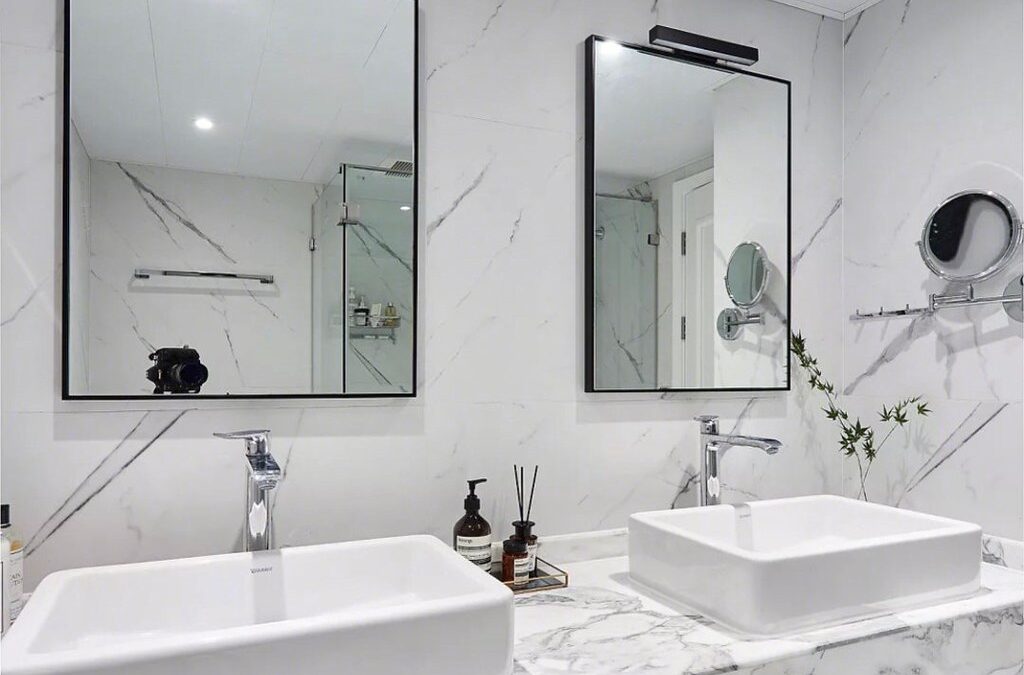
Bathrooms have evolved dramatically over the past few decades. Once purely functional spaces, they have become personal sanctuaries for relaxation and rejuvenation. With this evolution comes the demand for surfaces that deliver both luxury and practicality. Enter porcelain countertops, a material rapidly gaining popularity for bathroom designs across contemporary homes.
The search for the perfect countertop can feel overwhelming. Traditional options like granite, marble, and quartz have long dominated the scene, but porcelain has emerged as a game-changing alternative. The reasons are clear: porcelain combines stunning aesthetics, impressive durability, and exceptional resistance to stains and moisture. It’s a material that not only looks spectacular but also withstands the demanding conditions of bathroom environments.
What’s particularly exciting is that porcelain offers remarkable design versatility. It can mimic the look of marble, natural stone, concrete, or even wood, enabling homeowners to achieve any aesthetic without compromising on functionality. Plus, porcelain slabs are thin yet strong, making them an innovative choice for modern, seamless designs.
This comprehensive blog will explore the advantages of porcelain countertops in bathrooms, dissecting everything from durability to style potential. We’ll discuss why this surface has captured the attention of designers and homeowners, examine how it stacks up against other materials, and equip you with the knowledge to determine whether porcelain is the right fit for your bathroom renovation. Let’s dive into why porcelain might just be the countertop you’ve been waiting for.
The Durability and Strength of Porcelain Countertops
A significant factor behind the increasing interest in porcelain is its outstanding durability. When evaluating the advantages of porcelain countertops in bathrooms, strength sits at the top of the list. Bathrooms experience significant wear and tear, from constant water exposure to the occasional drop of heavy objects. Porcelain stands up remarkably well to these challenges.
Porcelain is made from refined clay and natural pigments, fired at extremely high temperatures exceeding 2,200 degrees Fahrenheit. This intense heat transforms the raw materials into an incredibly dense and hard surface. As a result, porcelain boasts impressive scratch resistance, ensuring it maintains a flawless appearance despite daily use.
Another critical advantage is porcelain’s impact resistance. While no surface is entirely immune to damage, porcelain is far less likely to chip or crack compared to materials like marble or ceramic tiles. This durability makes it a smart choice for family bathrooms, where countertops need to withstand everything from dropped hairdryers to kids’ accidental bangs and bumps.
Additionally, porcelain holds its color and pattern integrity over time, even with prolonged exposure to sunlight. Bathrooms with large windows or abundant natural light benefit from porcelain’s resistance to fading, preserving your investment for years.
For homeowners seeking a surface that delivers beauty without fragility, porcelain’s impressive physical properties firmly support its reputation. Among the many advantages of porcelain countertops in bathrooms, the combination of durability and elegance makes this material truly stand out.
Porcelain’s Exceptional Moisture and Stain Resistance
One of the most critical advantages of porcelain countertops in bathrooms is their remarkable resistance to moisture and stains. Bathrooms are naturally humid spaces, where surfaces are frequently splashed with water, lotions, soaps, and even cosmetics. Not every countertop material can handle this level of exposure, but porcelain is exceptionally well-suited for the challenge.
Porcelain’s low porosity means it doesn’t absorb water, making it naturally resistant to mold and mildew. This is a significant benefit in bathrooms, where moisture buildup can cause problems not only for aesthetics but also for hygiene. Homeowners who prioritize cleanliness appreciate porcelain’s ability to remain sanitary and low-maintenance even under damp conditions.
Another standout feature is its resistance to staining. Many bathroom products—including hair dye, makeup, and colored soaps—can discolor porous surfaces like marble or natural stone. Porcelain, however, resists stains because its dense surface prevents liquids from penetrating beneath the surface. Spills simply wipe away without leaving permanent marks, maintaining your countertop’s pristine appearance.
Additionally, porcelain’s resistance to harsh chemicals gives homeowners peace of mind when cleaning. You can use common household cleaners without worrying about etching or dulling the surface, unlike more sensitive materials like marble.
When evaluating the advantages of porcelain countertops in bathrooms, the ability to stand up to moisture and resist staining is a clear win. It’s an ideal material for busy households, offering both practicality and beauty in a demanding environment.
The Low Maintenance Requirements of Porcelain
For many homeowners, the ultimate test of a countertop’s suitability is how much maintenance it requires. This is where porcelain truly shines among the advantages of porcelain countertops in bathrooms. It offers the sought-after combination of beauty and low upkeep, making it perfect for modern living.
Unlike natural stones like marble or granite, porcelain doesn’t require periodic sealing. Its non-porous nature means liquids and stains can’t penetrate the surface, eliminating the need for protective coatings. This dramatically reduces long-term maintenance costs and effort.
Daily cleaning is incredibly simple. Warm water and a gentle cleanser are typically sufficient to keep porcelain looking flawless. There’s no need for specialized stone cleaners, polishes, or resealing treatments. This makes porcelain a practical choice for homeowners with busy lifestyles who want elegance without high-maintenance routines.
Additionally, porcelain resists chemical damage. Harsh cleaning agents, which might etch marble or dull granite, have no effect on porcelain’s robust surface. Whether you’re wiping away soap scum, makeup residue, or water spots, you can clean confidently without fear of harming your investment.
For allergy sufferers, porcelain’s non-porous surface doesn’t harbor dust, mold, or bacteria, contributing to a healthier indoor environment—a benefit especially relevant in bathrooms where humidity levels can otherwise encourage microbial growth.
Among the many advantages of porcelain countertops in bathrooms, its effortless maintenance is one of the most compelling reasons homeowners choose this material. It offers the luxury look of natural stone without the ongoing work, making it a modern solution for practical yet stylish bathrooms.
The Stunning Aesthetic Versatility of Porcelain
One of the most remarkable advantages of porcelain countertops in bathrooms is the sheer breadth of aesthetic possibilities this material offers. Porcelain has become a designer’s dream, thanks to its ability to mimic virtually any look you can imagine while maintaining all the practical benefits homeowners love.
Through advanced manufacturing techniques, porcelain surfaces can replicate the appearance of luxurious natural stones such as marble, granite, limestone, and travertine. For homeowners who adore the elegance of marble veining but want a surface that’s less fragile and easier to maintain, porcelain provides the perfect solution. The level of realism achieved in porcelain designs is truly impressive—many people cannot distinguish it from genuine natural stone without close inspection.
Beyond mimicking stone, porcelain also comes in designs that resemble concrete, wood, and even metal. This makes it exceptionally versatile for various bathroom aesthetics, whether your vision leans modern and minimalistic, rustic and organic, or industrial and edgy.
Another key aesthetic advantage is the availability of large porcelain slabs. These large-format pieces reduce the number of seams, creating a seamless, continuous surface that feels sleek and sophisticated. This quality is particularly impactful in bathroom designs where visual calm and elegance are essential.
Moreover, porcelain comes in a variety of finishes, including polished, honed, satin, or textured surfaces, enabling designers and homeowners to fine-tune the look and feel of the bathroom.
The visual flexibility is a crucial reason why many consider the advantages of porcelain countertops in bathrooms to be unmatched. It allows homeowners to achieve a high-end, custom look without sacrificing practicality or durability.
Porcelain’s Thin Profile and Lightweight Nature
Another standout among the advantages of porcelain countertops in bathrooms is the material’s thin profile and lightweight construction. Unlike traditional materials such as granite or marble, which require thick slabs and substantial support, porcelain offers incredible design freedom due to its slim yet robust structure.
Modern porcelain countertops can be manufactured in thicknesses as thin as 6mm to 12mm, depending on the application. Despite this slender profile, porcelain retains impressive strength and rigidity. This lightweight nature makes it easier to transport, handle, and install, ultimately reducing installation costs and labor time—a significant advantage for homeowners undergoing a bathroom renovation.
The thin profile allows for sleek, contemporary aesthetics, enabling designers to create minimalist bathroom spaces with crisp lines and subtle elegance. Thin countertops work especially well with floating vanities, where the delicate look of the porcelain surface enhances the airy, modern vibe.
Additionally, the lightweight quality of porcelain means it can be installed over existing surfaces in some remodels, saving time and avoiding demolition. This feature makes porcelain a fantastic option for homeowners looking to upgrade their bathroom without the mess and expense of tearing out old countertops.
Despite its slim appearance, porcelain maintains impressive impact resistance and durability, making it practical for bathroom environments where both functionality and style are paramount.
For homeowners who love modern design and practical solutions, the slim, lightweight properties are among the compelling advantages of porcelain countertops in bathrooms, enabling cutting-edge looks without sacrificing strength or longevity.
Sustainability: The Eco-Friendly Advantages of Porcelain
Modern homeowners often seek not only beauty and functionality but also environmentally responsible materials. Sustainability is yet another notable aspect when considering the advantages of porcelain countertops in bathrooms.
Porcelain is primarily made from natural materials like kaolin clay, feldspar, silica, and mineral pigments. These raw materials are abundant, and the manufacturing process for porcelain generates significantly less waste compared to some other countertop materials. Many leading porcelain brands are dedicated to sustainable practices, incorporating recycled materials into their products and reducing water and energy usage during production.
Another sustainable feature of porcelain is its exceptional longevity. Because it’s highly durable, porcelain countertops can last for decades without needing replacement. Longevity reduces the environmental impact over time because fewer resources are consumed in manufacturing, transporting, and installing new materials.
Porcelain is also a low-emission material, emitting virtually no volatile organic compounds (VOCs). This means porcelain countertops contribute to healthier indoor air quality—a critical consideration in bathrooms where moisture and confined space can exacerbate chemical exposure.
Furthermore, porcelain’s ability to be recycled at the end of its life cycle adds another layer of sustainability. Old porcelain tiles and slabs can often be crushed and reused in other building materials, reducing waste and landfill burden.
For homeowners committed to environmentally responsible living, the advantages of porcelain countertops in bathrooms go beyond aesthetics and durability—they represent a smart, eco-friendly choice that aligns beauty with sustainability.
Benefits of Porcelain for Hygiene and Cleanliness
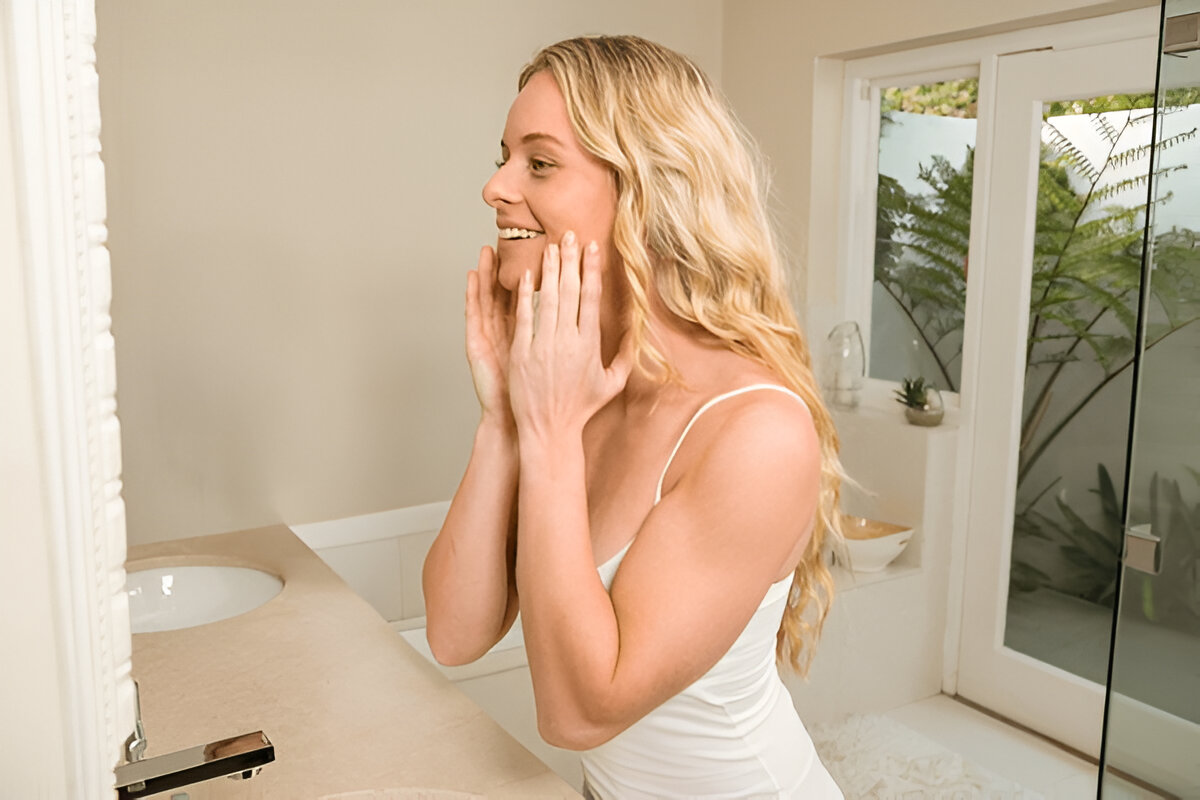
When it comes to bathrooms, cleanliness is non-negotiable. One of the most compelling advantages of porcelain countertops in bathrooms is their contribution to a healthier, more hygienic space.
Porcelain’s surface is non-porous, meaning it does not harbor bacteria, mold, or mildew. Unlike natural stones like marble or granite, which can have microscopic pores where moisture and bacteria hide, porcelain provides an impenetrable barrier that resists microbial growth. This feature makes it an ideal choice for bathrooms, where hygiene is critical.
Bathrooms frequently come into contact with personal care products, water splashes, and high humidity—all of which can contribute to the buildup of germs and grime. With porcelain, these substances stay on the surface, making cleaning quick and effective. Regular wiping with a gentle cleanser is all that’s needed to maintain a fresh, sanitary environment.
Another advantage is that porcelain resists staining from cosmetics, hair dyes, toothpaste, and cleaning products that often come into play in a bathroom setting. Homeowners don’t have to worry about unsightly discoloration from accidental spills or product residue.
Additionally, porcelain is resistant to harsh cleaning agents, allowing you to use stronger disinfectants if needed without damaging the countertop’s finish—a key benefit for maintaining optimal hygiene.
When considering the advantages of porcelain countertops in bathrooms, the peace of mind that comes from knowing your surfaces remain clean and sanitary is an invaluable bonus. It’s a choice that not only looks beautiful but also promotes a healthier living environment for your family.
Comparing Porcelain to Other Countertop Materials
A crucial step in evaluating the advantages of porcelain countertops in bathrooms is understanding how porcelain stacks up against other popular materials. Homeowners have a wealth of choices—each with unique strengths and challenges. Let’s look at how porcelain compares to some of the leading alternatives:
Marble: Renowned for its natural beauty and timeless elegance, marble creates luxurious bathrooms. However, marble is porous and soft, making it prone to staining, scratching, and etching from acidic substances like toothpaste or beauty products. It also requires regular sealing, making it higher maintenance than porcelain.
Granite: Granite offers incredible durability and stunning natural patterns, making it a solid choice for bathroom vanities. However, like marble, it is porous and must be sealed periodically to protect it from moisture and stains. Granite is also heavier and thicker than porcelain, which can limit design flexibility.
Quartz: Quartz is engineered from crushed stone and resins, resulting in a highly durable and non-porous surface. It resists stains and scratches well, much like porcelain. However, quartz is not as heat-resistant and lacks the super-thin profile that makes porcelain so versatile in modern design.
Solid Surface: Materials like Corian offer seamless installation and a wide range of colors, but they can scratch more easily and may not replicate the sophisticated look of natural stone as convincingly as porcelain can.
Porcelain distinguishes itself through its thinness, durability, low maintenance, resistance to heat and UV light, and remarkable aesthetic flexibility. Unlike many other materials, it offers the beauty of stone with fewer maintenance requirements and modern design adaptability.
For homeowners evaluating bathroom upgrades, these comparisons highlight why many consider the advantages of porcelain countertops in bathrooms truly unbeatable.
Common Myths About Porcelain Countertops
As porcelain grows in popularity, several myths and misconceptions persist about its performance and suitability for bathrooms. Let’s clear the air and highlight truths that support the advantages of porcelain countertops in bathrooms.
Myth 1: Porcelain is fragile and prone to breaking.
Truth: While thin, porcelain is extremely strong thanks to its manufacturing process. It’s highly resistant to scratches, chips, and impacts, making it durable enough for bathrooms and even commercial applications.
Myth 2: Porcelain looks fake compared to natural stone.
Truth: Modern porcelain manufacturing techniques have revolutionized how realistic porcelain surfaces look. Many porcelain slabs convincingly mimic marble, granite, concrete, and wood, offering stunning realism with practical benefits.
Myth 3: Porcelain stains easily.
Truth: Porcelain is one of the most stain-resistant materials available. Its non-porous surface prevents liquids from penetrating, making it perfect for bathrooms where spills from makeup, soaps, or hair dye are common.
Myth 4: Porcelain is expensive.
Truth: While premium porcelain can cost more upfront than budget materials, its long-term durability and minimal maintenance costs make it an excellent investment. It often offers better value over time than more fragile natural stones.
Myth 5: Porcelain is only for floors and walls, not countertops.
Truth: Advances in slab production mean porcelain is now commonly used for countertops, thanks to its strength, large format sizes, and thin profile that suits contemporary designs.
By dispelling these myths, homeowners can confidently consider the advantages of porcelain countertops in bathrooms, knowing they’re investing in a surface that’s beautiful, practical, and modern.
Advantages of Porcelain Countertops: Quick Reference Table
To summarize the key benefits, here’s a quick-look table highlighting the primary advantages of porcelain countertops in bathrooms:
| Advantage | Details |
|---|---|
| Durability | Highly resistant to scratches, chips, and impacts |
| Moisture Resistance | Non-porous, resists water absorption and mold |
| Stain Resistance | Impervious to stains from makeup, soaps, and other bathroom products |
| Low Maintenance | No sealing required, easy cleaning with mild cleaners |
| Aesthetic Flexibility | Mimics marble, stone, wood, concrete; available in many colors and finishes |
| UV Resistance | Colors stay true even in bright natural light |
| Thin Profile | Lightweight yet strong, suitable for modern designs |
| Eco-Friendly | Often made with recycled materials, long lifespan reduces waste |
| Hygienic Surface | Non-porous and bacteria-resistant |
| Heat Resistance | Can withstand hot hair tools without damage |
This table illustrates why so many homeowners are choosing porcelain for modern bathroom upgrades. The advantages of porcelain countertops in bathrooms cover beauty, functionality, and long-term value.
Practical Tips for Choosing Porcelain Countertops
Even with all the advantages of porcelain countertops in bathrooms, selecting the perfect slab for your project takes careful planning. Here are a few practical tips to guide your decision:
Start by defining your bathroom’s overall aesthetic. Are you aiming for modern minimalism, classic elegance, rustic warmth, or industrial chic? Porcelain’s versatility makes it perfect for all styles, but knowing your vision helps narrow down color and pattern choices.
Visit showrooms to see full slabs in person. Pictures don’t always capture the subtle details of porcelain’s textures, colors, or reflective qualities. Viewing slabs under lighting conditions similar to your bathroom can help you make an informed choice.
Consider slab size and thickness. Large-format slabs are ideal for minimizing seams, creating a clean, luxurious look. Discuss with your fabricator what size and thickness work best for your vanity layout and installation.
Don’t forget the finish. Polished surfaces offer a glossy, elegant feel, while honed or matte finishes create a softer, contemporary vibe. Textured or leathered finishes can add tactile interest and help disguise fingerprints or water spots.
Check the manufacturer’s specifications for care recommendations. While porcelain is low-maintenance, using the right cleaners and avoiding excessive force helps preserve its beauty.
Finally, work with an experienced fabricator who understands how to cut, handle, and install porcelain properly. Its thin profile and strength require specialized tools and skills for the best results.
These tips ensure you enjoy all the advantages of porcelain countertops in bathrooms, achieving a space that’s both stunning and practical.
Conclusion: Are Porcelain Countertops the Right Choice for Your Bathroom?
After exploring the advantages of porcelain countertops in bathrooms, it’s clear why this material has captured the attention of designers and homeowners alike. Porcelain offers a rare combination of durability, beauty, low maintenance, and versatility, making it an outstanding option for modern bathroom designs.
Whether you’re seeking the elegance of marble without the upkeep, a contemporary minimalist aesthetic, or a hygienic surface that withstands daily wear, porcelain delivers on all fronts. Its ability to resist water, stains, and bacteria makes it exceptionally well-suited to the bathroom’s demanding environment. Meanwhile, its wide range of colors, patterns, and finishes allows you to tailor your space to your exact vision.
While porcelain may require a higher initial investment than some materials, its longevity and minimal maintenance make it a smart, cost-effective choice in the long term. For homeowners who value style, practicality, and sustainability, porcelain countertops represent a forward-thinking upgrade that enhances both the look and function of the bathroom.
Ultimately, choosing porcelain means investing in a surface that combines modern innovation with timeless elegance—a surface that elevates your bathroom to a luxurious retreat while ensuring it stands the test of time.
Call To Action: All Quartz – Your Porcelain Countertop Experts
At All Quartz, we specialize in transforming bathrooms into stunning, functional spaces with high-quality porcelain countertops. Whether you’re renovating a cozy powder room or designing a luxurious master bath, our team is here to guide you through every step—from selecting the perfect slab to expert installation.
Contact us today to discover why porcelain is the smart, stylish choice for modern bathrooms and to explore our exquisite collection of porcelain surfaces!
Website: https://allquartznj.com/
Adress: 1 Apollo Dr Unit B, Whippany, NJ 07981
Phone: (908) 488-5602
Email: sales@allquartz.co