

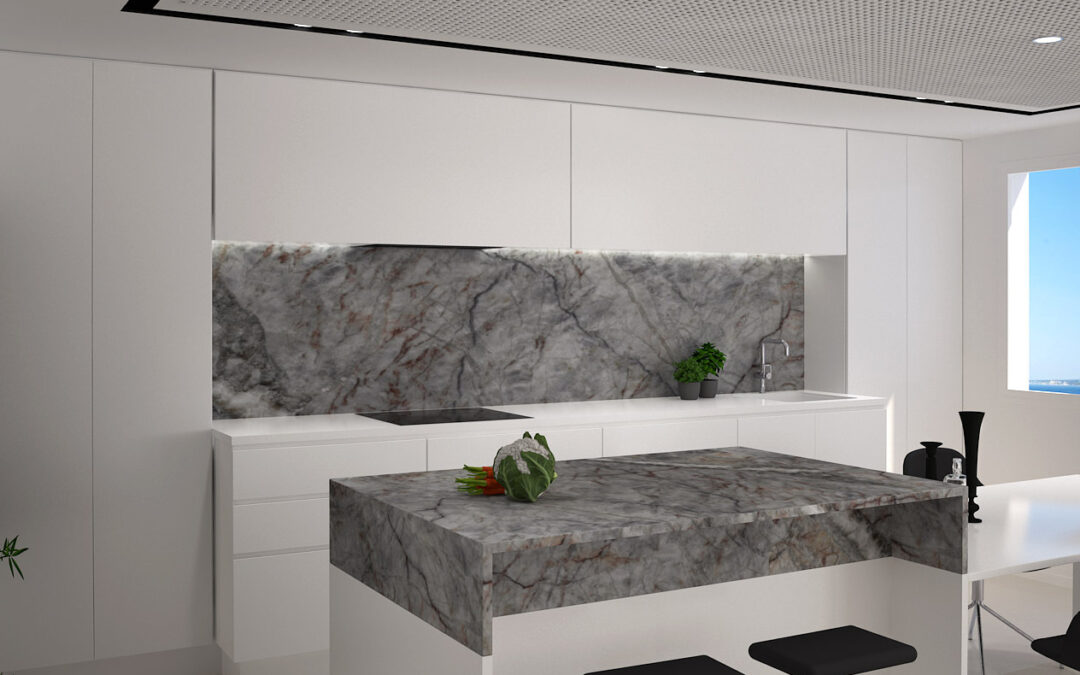
Across the diverse neighborhoods of North Jersey, from the bustling streets of Hoboken to the grand historic homes of Montclair, natural stone remains a defining feature of high-end interior design. Homeowners undertaking kitchen or bathroom renovations often find themselves captivated by two luxurious choices: quartzite and marble. These stones embody timeless elegance, but they also differ significantly in performance, maintenance, and cost.
Deciding between quartzite vs. marble countertops in North Jersey involves balancing aesthetics, lifestyle demands, and practical concerns unique to this region’s homes. While both stones are undeniably beautiful, they cater to different needs. Marble has long been associated with classical architecture and luxury spaces, admired for its luminous beauty and intricate veining. Meanwhile, quartzite has surged in popularity, praised for combining natural stone’s elegance with impressive durability.
Yet the choice isn’t simple. North Jersey homeowners live in a climate with wide seasonal shifts, and many houses—whether modern townhomes or century-old colonials—demand materials that can endure daily life while maintaining aesthetic appeal.
In this comprehensive guide, we’ll examine every angle of quartzite vs. marble countertops in North Jersey, including their geological origins, visual appeal, durability, maintenance needs, and cost implications. By the end, you’ll have a clear understanding of which stone fits your design dreams and practical needs.
The Geological Origins of Quartzite and Marble
Understanding the geological origins of quartzite and marble is key to appreciating their strengths and weaknesses in home applications. Both stones are metamorphic, but they start as different base materials and undergo distinct transformations.
Marble begins as limestone, a sedimentary rock composed primarily of calcite. When exposed to high pressure and heat deep within the earth, limestone recrystallizes into marble. This process erases the original fossils and textures, creating a dense stone with interlocking calcite crystals. These crystals scatter light in multiple directions, giving marble its trademark translucence and luminous glow.
Quartzite, on the other hand, originates as sandstone. When subjected to intense heat and pressure, sandstone’s quartz grains fuse together, transforming into an incredibly hard stone. Quartzite’s tightly bonded quartz crystals make it significantly more durable and scratch-resistant than marble. Unlike marble’s soft, velvety feel, quartzite has a crisp, granular texture and often features shimmering flecks of quartz that reflect light beautifully.
These differences in formation impact everything from hardness and porosity to resistance against etching and staining. Understanding their origins helps homeowners make informed choices when deciding between quartzite vs. marble countertops in North Jersey.
In short:
-
Marble = metamorphosed limestone → softer, luxurious glow, delicate veins.
-
Quartzite = metamorphosed sandstone → harder, crystalline sparkle, rugged resilience.
Knowing this geological background is the first step toward choosing the right stone for your North Jersey home.
The Aesthetic Beauty of Marble Countertops
Marble has been admired for centuries for its stunning aesthetic appeal, and this beauty remains a primary reason North Jersey homeowners consider it for kitchens and bathrooms. When comparing quartzite vs. marble countertops in North Jersey, marble’s classic elegance is impossible to ignore.
Marble’s visual allure lies in its soft, luminous appearance. The calcite crystals within marble scatter light in subtle ways, creating a gentle glow that gives the stone a sense of depth and luxury. Each marble slab is a unique work of art, with intricate veining that ranges from delicate wisps to bold, dramatic swirls. Popular varieties include:
-
Carrara Marble — soft gray with subtle veining.
-
Calacatta Marble — creamy white with bold, gold or gray veins.
-
Statuario Marble — brilliant white with striking, thick veining.
Marble offers a vast palette of colors beyond white. Homeowners can choose from soft greens, blush pinks, jet blacks, and warm beige tones. This versatility allows marble to complement both traditional and modern interiors, making it ideal for North Jersey’s diverse architectural styles.
However, marble’s beauty is also one of its vulnerabilities. Its delicate surface is prone to etching—dull spots caused by acidic substances like lemon juice, vinegar, or cleaning agents. In high-traffic kitchens, this delicate nature can lead to visible wear over time.
Despite these challenges, many North Jersey homeowners still choose marble for its unmatched elegance. When deciding between quartzite vs. marble countertops in North Jersey, marble’s breathtaking aesthetic remains one of its strongest points.
The Rugged Elegance of Quartzite Countertops
While marble captivates with soft beauty, quartzite impresses with its rugged elegance and durability—an appealing combination for homeowners exploring quartzite vs. marble countertops in North Jersey.
Quartzite is celebrated for its crystal-like appearance, created by tightly bonded quartz grains. This gives quartzite a subtle sparkle and unique visual depth. It often resembles marble but with bolder patterns and vibrant colors, making it a favorite for homeowners seeking the look of marble with superior performance.
Some popular quartzite varieties include:
-
Taj Mahal Quartzite — creamy beige with soft veins.
-
Sea Pearl Quartzite — grayish tones with flowing patterns.
-
Fusion Quartzite — vivid swirls of greens, blues, and reds.
Unlike marble, quartzite has a hardness level comparable to granite, making it highly resistant to scratching, etching, and heat. This strength is especially valuable in North Jersey kitchens, where countertops see frequent activity, hot pots, and occasional spills. Quartzite can handle the wear and tear of daily life without sacrificing beauty.
Additionally, quartzite’s color palette is versatile, ranging from soft neutrals to exotic hues, allowing homeowners to match any design vision—from classic elegance to modern drama. Its durability makes it equally suitable for kitchen islands, backsplashes, bathroom vanities, and even outdoor applications.
However, quartzite is not entirely maintenance-free. It’s still a natural stone, requiring sealing to prevent staining from oils, wine, or other liquids.
In evaluating quartzite vs. marble countertops in North Jersey, quartzite stands out as the ideal choice for those seeking beauty and resilience in equal measure.
Durability and Performance Under Pressure
When comparing quartzite vs. marble countertops in North Jersey, one of the most critical factors homeowners must consider is durability. North Jersey kitchens and bathrooms often serve as bustling hubs of activity, demanding surfaces that can withstand daily wear and tear.
Marble is celebrated for its beauty but has a softer composition, ranking around 3 on the Mohs scale of mineral hardness. This softness makes marble vulnerable to scratches, chips, and etching from acidic substances such as citrus juices, vinegar, or wine. Even water rings from glasses or soap can leave dull spots if not wiped promptly. For this reason, marble may require more delicate care in busy households.
By contrast, quartzite is a powerhouse of strength, with a Mohs hardness of approximately 7, comparable to granite. Quartzite’s dense crystalline structure makes it highly resistant to scratching, heat, and etching, ensuring it retains its pristine appearance even in high-traffic areas. Home chefs in North Jersey can confidently place hot pots or pans on quartzite surfaces without worrying about damage, a notable advantage over marble.
Additionally, quartzite’s resistance to UV radiation makes it an excellent choice for spaces exposed to natural light, preventing fading or discoloration over time—a relevant consideration in sun-filled North Jersey homes.
However, both materials share one characteristic: they are still natural stones that can chip at the edges under heavy impact. Proper fabrication and edge profiles can help mitigate this risk.
In assessing quartzite vs. marble countertops in North Jersey, homeowners seeking longevity and low susceptibility to everyday hazards often find quartzite the superior choice for durability and performance.
Maintenance Requirements for Long-Term Beauty
An essential part of choosing between quartzite vs. marble countertops in North Jersey is understanding each stone’s maintenance needs. Both materials require care to keep them looking beautiful, but the level of upkeep differs significantly.
Marble, while elegant, demands attentive maintenance. Because it’s porous and prone to etching, it requires regular sealing to help reduce staining. However, sealing won’t make marble completely resistant to acidic damage. Homeowners need to:
-
Wipe spills promptly, especially acidic liquids.
-
Use pH-neutral cleaners to avoid surface etching.
-
Employ trivets and coasters to protect the stone.
Even with diligent care, marble develops a patina over time—a softening of color and finish—which some homeowners love for its antique look, while others find it frustrating.
Quartzite, though also a natural stone, is inherently more durable. It, too, benefits from sealing, especially lighter-colored varieties prone to staining. However, quartzite’s low porosity means it doesn’t absorb liquids as quickly as marble. Maintenance for quartzite typically involves:
-
Annual or biannual sealing for optimal protection.
-
Routine cleaning with mild soap and water.
-
Less worry about etching from acids or daily use.
Quartzite’s lower-maintenance profile makes it especially attractive for North Jersey families who want luxury surfaces without constant vigilance.
When deciding between quartzite vs. marble countertops in North Jersey, homeowners who prefer a carefree routine may lean toward quartzite, while those passionate about the romance of natural aging may still choose marble despite its upkeep demands.
Cost Considerations in North Jersey Markets
Cost plays a significant role in the decision between quartzite vs. marble countertops in North Jersey. Homeowners must weigh not only the initial price but also long-term expenses linked to maintenance and potential repairs.
Marble is often perceived as a luxury material, but surprisingly, it can sometimes be more affordable than exotic quartzites. Classic varieties like Carrara marble are widely available and fall into a moderate price range. However, premium marbles such as Calacatta or Statuario command higher prices due to their rarity and striking veining.
Quartzite, while offering exceptional durability, often comes at a premium price. The complex extraction and fabrication processes contribute to its cost. Exotic quartzite varieties featuring vivid colors or intricate patterns can be among the most expensive natural stones available, sometimes surpassing even high-end marble.
Typical price ranges in North Jersey:
-
Carrara Marble: $$ – mid-range
-
Calacatta Marble: $$$ – high-end
-
Standard Quartzite: $$$ – high-end
-
Exotic Quartzite: $$$$ – ultra-high-end
Beyond purchase price, maintenance costs also differ. Marble may require professional resealing more frequently, and etch repair can add expenses over time. In contrast, quartzite’s greater resilience often results in lower maintenance costs despite its higher initial price.
When considering quartzite vs. marble countertops in North Jersey, homeowners should factor in:
-
Initial slab costs
-
Fabrication and installation
-
Ongoing maintenance expenses
-
Potential resale value impact
Ultimately, the best choice balances budget, lifestyle, and the desired aesthetic impact for your unique North Jersey home.
Benefits and Challenges: Quick Reference Bullets
When deciding between quartzite vs. marble countertops in North Jersey, a concise list of pros and cons can clarify the decision process. Here’s a quick reference to help homeowners weigh their options:
Marble Pros:
-
Luxurious aesthetic with timeless appeal.
-
Soft, luminous glow from calcite crystals.
-
Wide range of colors and dramatic veining.
-
Adds significant value and elegance to homes.
-
Develops a beautiful patina over time.
Marble Cons:
-
Prone to etching from acids.
-
Softer, easily scratched or chipped.
-
Requires frequent sealing and gentle care.
-
Higher maintenance costs over time.
-
May not suit high-traffic kitchens.
Quartzite Pros:
-
Exceptional durability and scratch resistance.
-
Resists etching from acidic substances.
-
Heat-resistant—safe for hot pans.
-
Mimics marble’s look with added strength.
-
Lower maintenance compared to marble.
Quartzite Cons:
-
Higher initial cost, especially exotic varieties.
-
Requires periodic sealing for stain resistance.
-
Can chip at edges under heavy impact.
-
Limited color range compared to marble.
This bullet list highlights why homeowners evaluating quartzite vs. marble countertops in North Jersey should consider both functional and aesthetic priorities.

Quartzite vs. Marble: North Jersey Real Estate Impact
In North Jersey, where property values are among the highest in the country, homeowners often consider how their material choices will influence resale value. Choosing between quartzite vs. marble countertops in North Jersey can have significant implications for a home’s appeal to potential buyers.
Marble has long been associated with luxury and sophistication. Its presence in a kitchen or bathroom is a selling point, especially in historic homes where marble’s classic look complements traditional architecture. Real estate listings featuring marble surfaces often command attention, adding perceived value. However, savvy buyers may also recognize marble’s maintenance demands, which could raise concerns for families wanting low-effort living.
Quartzite, while newer on the scene, has quickly earned a reputation as a premium material. Buyers increasingly appreciate quartzite’s ability to deliver the look of marble without the same vulnerabilities. For modern and transitional homes, quartzite’s durability, resistance to staining, and contemporary aesthetic can be major selling features.
Realtors in North Jersey frequently highlight quartzite in property listings, emphasizing its low-maintenance nature—a critical factor for busy buyers who want beauty without the hassle. Homes featuring quartzite countertops often stand out in a competitive market, especially among younger buyers prioritizing practicality.
Additionally, high-end quartzite varieties, with their exotic colors and dramatic veining, can create an immediate wow factor during showings, elevating a property’s market perception.
When evaluating quartzite vs. marble countertops in North Jersey, homeowners should consider:
-
The home’s architectural style and buyer demographics.
-
Whether future buyers will appreciate the patina of marble or the resilience of quartzite.
-
The potential return on investment tied to either stone’s installation.
Ultimately, both materials can enhance property value—choosing between them depends on balancing personal taste with market trends in North Jersey’s dynamic real estate landscape.
Environmental and Sustainability Considerations
In today’s eco-conscious world, sustainability plays an increasingly vital role in renovation decisions. When comparing quartzite vs. marble countertops in North Jersey, homeowners often ask: Which stone is the greener choice?
Marble is a natural material requiring relatively low processing beyond quarrying and cutting. However, marble quarries, particularly those overseas, can involve significant environmental disruption and high transportation emissions when slabs are imported to North Jersey.
Quartzite similarly is a natural stone, quarried and cut with minimal chemical additives. Its durability contributes to sustainability because it can last decades without needing replacement. A longer lifespan means less frequent renovations, reducing environmental impact over time.
Both stones are free from volatile organic compounds (VOCs), contributing to healthier indoor air quality—a significant factor in enclosed spaces like North Jersey homes.
However, there are nuances:
-
Quarrying for either stone can have environmental consequences if not properly managed.
-
Local sourcing minimizes the carbon footprint, so choosing slabs from U.S. quarries helps reduce environmental impact.
-
Quartzite’s hardness means it may consume more energy during fabrication due to the specialized equipment required to cut and finish it.
In terms of recyclability, both marble and quartzite can be repurposed into smaller tiles, mosaics, or crushed stone for other uses, enhancing their sustainable credentials.
For North Jersey homeowners balancing luxury with environmental responsibility, both materials can be ethical choices—provided they’re sourced responsibly. When debating quartzite vs. marble countertops in North Jersey, it’s wise to discuss sustainability with your stone supplier to ensure you’re making an informed, eco-friendly decision.
Quartzite vs. Marble: Comparison Table
To bring clarity to the decision-making process, here’s a quick reference table comparing the key aspects of quartzite vs. marble countertops in North Jersey:
| Feature | Quartzite | Marble |
|---|---|---|
| Appearance | Looks like marble, bolder veining, sparkling crystal flecks | Soft glow, delicate veining, classical elegance |
| Hardness | High (Mohs 7), extremely durable | Softer (Mohs 3), scratches and etches more easily |
| Heat Resistance | Excellent | Moderate; susceptible to heat damage if not protected |
| Etch Resistance | Highly resistant to acids | Prone to etching from acidic substances |
| Maintenance | Lower maintenance, occasional sealing | Higher maintenance, frequent sealing and careful cleaning |
| Cost Range | Generally high, varies with rarity | Ranges from moderate to high |
| Sustainability | Durable, long lifespan, lower maintenance over time | Natural, eco-friendly but more fragile |
| Suitability for Kitchens | Excellent for heavy use and cooking | Beautiful, but requires cautious use |
| Suitability for Bathrooms | Excellent, highly resistant to water and stains | Elegant, but prone to water stains and etching |
This side-by-side look underscores why many North Jersey homeowners lean toward quartzite for practicality and marble for classic luxury when deciding between quartzite vs. marble countertops in North Jersey.
Conclusion: Making Your North Jersey Stone Choice
Choosing between quartzite vs. marble countertops in North Jersey is as much about lifestyle and personal taste as it is about aesthetics and performance. Both stones are stunning options, each with unique qualities that can transform a kitchen or bathroom into a space of elegance and functionality.
-
Marble appeals to those who crave timeless beauty, soft elegance, and are prepared for a bit more maintenance. Its luminous glow and classic veining create a sense of luxury unmatched by any other material. It’s perfect for homeowners who appreciate patina and the story a surface tells over time.
-
Quartzite, on the other hand, offers a robust alternative for those who want the beauty of natural stone without the same vulnerability. It’s a practical choice for busy North Jersey families who desire durability, low maintenance, and resilience against heat and acids.
Ultimately, your decision should reflect:
-
How much traffic and wear your surfaces will endure.
-
Your tolerance for maintenance and care routines.
-
Your aesthetic vision and design goals for your home.
Both quartzite and marble bring unparalleled beauty and luxury to North Jersey interiors. Whichever you choose, investing in natural stone ensures your kitchen or bathroom will remain a stunning focal point for years to come.
Call To Action: All Quartz – Your North Jersey Stone Experts
At All Quartz, we specialize in helping North Jersey homeowners find their perfect stone surfaces. Whether you’re leaning toward the timeless elegance of marble or the rugged sophistication of quartzite, our team offers expert guidance, premium stone selections, and meticulous installation services.
Contact us today to explore our exquisite inventory and discover which natural stone will transform your home into the luxurious space you’ve been dreaming of!
Website: https://allquartznj.com/
Adress: 1 Apollo Dr Unit B, Whippany, NJ 07981
Phone: (908) 488-5602
Email: sales@allquartz.co