

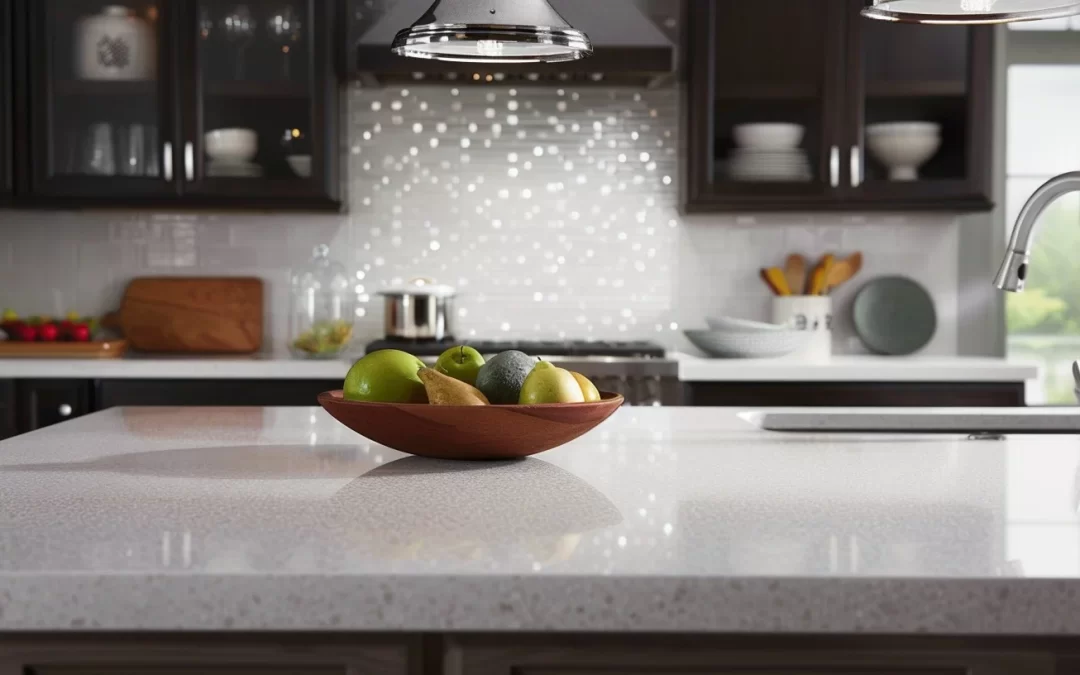
In the world of kitchen and bathroom design, few decisions carry as much weight as choosing the right countertop material. Among the premium natural stones, Granite and Quartzite stand out for their beauty, durability, and ability to transform spaces from ordinary to extraordinary. Yet for many homeowners, the decision between Granite vs. Quartzite Countertops isn’t an easy one.
Both materials are natural stones prized for their elegance and resilience. They’re frequently showcased in high-end homes and luxury remodels, adding significant value and visual appeal. But while they may appear similar at first glance, granite and quartzite differ significantly in composition, performance, maintenance requirements, and cost.
In regions where home values are high and homeowners invest heavily in lasting quality—like North Jersey, urban lofts, or suburban estates—understanding these differences becomes essential. Granite, known for its granular patterns and variety of colors, has long been a kitchen staple. Quartzite, on the other hand, has emerged in recent years as a luxurious alternative, captivating designers and homeowners alike with its marble-like appearance and incredible hardness.
This comprehensive guide explores Granite vs. Quartzite Countertops from every angle. We’ll dive into how these stones are formed, what they look like, how they perform under daily use, and how they fit into diverse design aesthetics. By the end, you’ll be well-equipped to decide which stone best fits your lifestyle, budget, and home design dreams.
The Geological Origins and Formation of Granite and Quartzite
To appreciate the unique qualities of Granite vs. Quartzite Countertops, it’s essential to understand how each stone is formed deep within the Earth. These geological origins dictate much of their behavior, durability, and visual appeal.
Granite is an igneous rock, formed when molten magma cools and solidifies below the earth’s surface. This slow cooling process allows crystals of feldspar, quartz, mica, and other minerals to grow large and interlock, giving granite its characteristic speckled appearance and vibrant color variations. The mineral mix determines granite’s colors, ranging from classic whites and blacks to deep blues, greens, reds, and even exotic hues. Granite’s grainy texture and mineral inclusions contribute to its durability and natural beauty.
Quartzite, by contrast, begins its life as sandstone, a sedimentary rock composed primarily of quartz grains. Through intense heat and pressure during metamorphism, these grains fuse into a solid mass, transforming sandstone into quartzite. This metamorphic process creates a stone that’s incredibly hard and dense, often harder than granite. The resulting quartzite slabs feature elegant veining, similar to marble, with a glassy or sugary appearance due to the quartz crystals.
These origins shape key differences:
-
Granite = Igneous rock → crystal structure, speckled look.
-
Quartzite = Metamorphic rock → fused quartz grains, marble-like veining.
Understanding these geological distinctions helps homeowners choose between Granite vs. Quartzite Countertops based on both visual and functional preferences.
The Aesthetic Appeal and Color Variations of Granite
When exploring Granite vs. Quartzite Countertops, granite’s diverse visual appeal stands out as a significant advantage for homeowners seeking personalized design. One of granite’s defining features is its rich variety of colors, patterns, and finishes, thanks to its complex mineral composition.
Each slab of granite is a one-of-a-kind natural masterpiece, showcasing a unique blend of mineral grains and colors. Popular granite color families include:
-
White and Gray Granites: Perfect for modern, minimalist kitchens.
-
Black and Dark Granites: Adds dramatic elegance and contrast.
-
Blue and Green Granites: Exotic, often with iridescent mineral flecks.
-
Beige and Brown Granites: Ideal for warm, traditional aesthetics.
The stone’s pattern can range from tight, uniform speckles to bold, flowing movements, giving designers immense flexibility. No two slabs are alike, allowing homeowners to select pieces that perfectly fit their color palette and design vision.
Granite surfaces come in various finishes:
-
Polished Finish: High gloss, vibrant color, and reflective shine.
-
Honed Finish: Smooth but matte, reducing glare for a softer look.
-
Leathered Finish: Textured surface offering a rustic, tactile feel.
Granite’s aesthetic versatility is why it remains a top choice in both traditional and contemporary designs. Whether paired with white shaker cabinets for a crisp look or rich wood cabinetry for a cozy atmosphere, granite adapts beautifully.
In comparing Granite vs. Quartzite Countertops, granite’s broad color palette and visual diversity make it a strong contender for homeowners seeking unique, custom aesthetics in their kitchens or bathrooms.
The Luxurious Look and Feel of Quartzite
While granite dazzles with color diversity, quartzite is prized for its refined elegance and marble-like beauty. When considering Granite vs. Quartzite Countertops, quartzite’s aesthetic appeal often draws homeowners who dream of marble but want something more durable.
Quartzite frequently features soft, flowing veining reminiscent of luxurious marble varieties like Calacatta or Statuario. However, unlike marble, quartzite offers the strength and hardness required for high-traffic areas. Popular quartzite colors and looks include:
-
Taj Mahal Quartzite: Creamy beige with subtle veins, ideal for serene, sophisticated designs.
-
Sea Pearl Quartzite: Cool grays and gentle veining, perfect for modern or coastal styles.
-
Fusion Quartzite: Vibrant, multicolored swirls that become stunning focal points.
-
White Macaubas Quartzite: White background with linear gray veining, perfect for a sleek, modern vibe.
One of the most remarkable features of quartzite is its crystalline sparkle, thanks to the tightly bonded quartz grains formed during metamorphosis. This subtle shimmer catches the light, giving countertops depth and a touch of glamour without being overpowering.
While quartzite’s palette is generally softer and more neutral than granite’s, it offers an elegance unmatched by most stones. This makes it perfect for homeowners who desire a sophisticated, timeless look without the high maintenance associated with true marble.
In comparing Granite vs. Quartzite Countertops, quartzite stands out for its ability to deliver marble-like aesthetics combined with superior durability, making it an increasingly popular choice for modern and luxury home designs.
Durability and Resistance to Daily Wear
One of the most crucial factors in choosing between Granite vs. Quartzite Countertops is how each material stands up to the rigors of daily life in a busy kitchen or bathroom. While both stones are renowned for durability, subtle differences can influence your decision.
Granite ranks around 6-7 on the Mohs scale of hardness, making it highly resistant to scratches and chips. It can handle sharp knives, hot pots, and heavy cookware without significant damage. However, granite’s mineral composition sometimes includes softer materials, such as feldspar or mica, which can occasionally chip at the edges or corners if struck with a heavy object.
Granite also has good resistance to heat, allowing homeowners to place moderately hot items directly on the surface without immediate damage. Still, it’s always wise to use trivets to avoid potential thermal shock or discoloration over time.
Quartzite, by comparison, is often harder than granite, ranking about 7 on the Mohs scale, sometimes higher depending on the variety. This exceptional hardness makes quartzite extremely resistant to scratches, abrasions, and impact—a significant advantage for high-traffic kitchens or busy family bathrooms.
One of quartzite’s standout features is its resistance to etching from acidic substances, unlike softer stones like marble. However, quartzite can still stain if spills of oil, wine, or dark liquids aren’t wiped up promptly, so regular sealing is recommended.
While both stones are durable, quartzite generally edges out granite in pure hardness and scratch resistance. When weighing Granite vs. Quartzite Countertops, consider how demanding your household environment is and whether you value a stone that resists wear with virtually no fuss.
Maintenance and Long-Term Care Requirements
While natural stone offers unmatched beauty, homeowners must consider the maintenance involved with Granite vs. Quartzite Countertops. Understanding the care each stone requires is key to making a decision that suits your lifestyle.
Granite is praised for its relatively low maintenance. It is less porous than some other natural stones, but sealing is still essential to protect it from staining. Depending on the type of granite and usage level, sealing may be required every 1-2 years. Daily maintenance is straightforward:
-
Wipe surfaces with a mild soap and water solution.
-
Avoid harsh cleaners or acidic substances that might dull the finish.
-
Clean spills quickly, especially oils and colored liquids.
With these simple steps, granite countertops remain vibrant and beautiful for decades.
Quartzite shares many of the same care requirements. Although it’s less porous than marble, quartzite can still absorb stains if not properly sealed. Sealing quartzite is critical, especially for lighter varieties prone to showing oil or wine stains. Maintenance for quartzite typically involves:
-
Annual sealing for maximum protection.
-
Daily cleaning with gentle, pH-neutral cleaners.
-
Prompt cleanup of spills to prevent discoloration.
The good news is quartzite’s superior etch resistance, which makes it less likely than marble to suffer surface dullness from acids like lemon juice or vinegar.
In comparing Granite vs. Quartzite Countertops, granite may win slightly on ease of care for some homeowners, but quartzite offers equally manageable upkeep for those willing to commit to regular sealing. Both stones are excellent choices for homeowners seeking long-lasting beauty with minimal day-to-day hassle.
Cost Considerations and Investment Value
Cost is an important factor when evaluating Granite vs. Quartzite Countertops, as homeowners must balance aesthetic desires with budget constraints. While both stones fall into the premium category, their pricing varies significantly based on rarity, availability, and region.
Granite offers one of the broadest pricing ranges in natural stone countertops. More common colors like Ubatuba or Santa Cecilia are very affordable, often less expensive than quartzite or even engineered stone. However, exotic granites with dramatic colors or rare mineral inclusions can become quite expensive, rivaling high-end quartzite prices.
Quartzite, being harder to quarry and fabricate due to its density, tends to be more expensive overall. Even standard quartzite varieties like Taj Mahal or White Macaubas usually carry a higher price tag than most common granite options. Exotic quartzites with vivid coloring or unique patterns can command premium prices.
Typical price ranges (approximate averages):
-
Standard Granite: $$ – $$$
-
Exotic Granite: $$$ – $$$$
-
Standard Quartzite: $$$ – $$$$
-
Exotic Quartzite: $$$$+
Beyond initial cost, homeowners should also factor in maintenance expenses. Granite may need slightly less frequent sealing, but quartzite’s superior resistance to scratches and etching might translate to lower repair costs over time.
When considering Granite vs. Quartzite Countertops, it’s wise to evaluate:
-
Your overall renovation budget.
-
The stone’s long-term durability and repair costs.
-
The impact on home resale value.
Both stones are seen as luxury materials that can increase property value. For many North Jersey homeowners, investing in either granite or quartzite is money well spent, providing timeless beauty and excellent return on investment.
Benefits of Granite and Quartzite: Quick Comparison Bullets
When faced with the decision of Granite vs. Quartzite Countertops, it’s helpful to see the pros of each stone laid out clearly. Here’s a quick summary:
Granite Pros:
-
Wide variety of colors and patterns.
-
Generally lower cost than quartzite.
-
Good resistance to heat and scratches.
-
Less prone to etching than marble.
-
Adds significant value to homes.
-
Available in polished, honed, or leathered finishes.
-
Less porous than some natural stones.
-
Timeless aesthetic for diverse styles.
Quartzite Pros:
-
Superior hardness and scratch resistance.
-
Stunning marble-like veining without marble’s vulnerability.
-
Highly resistant to etching from acids.
-
Holds up beautifully under high traffic.
-
Suitable for outdoor applications due to UV resistance.
-
Adds luxury appeal to kitchens and bathrooms.
-
Beautiful crystalline sparkle unique to quartzite.
-
Long-lasting and durable.
This side-by-side snapshot emphasizes that Granite vs. Quartzite Countertops comes down to personal priorities—whether you prefer granite’s affordability and diverse colors or quartzite’s elegance and incredible toughness.
Granite vs. Quartzite: Design Trends and Style Integration
In the debate over Granite vs. Quartzite Countertops, design trends and how each stone fits into modern aesthetics are crucial factors for homeowners and designers alike. Both stones offer unique visual personalities, making them staples in luxury interiors, but their differences influence how they integrate into today’s evolving styles.
Granite remains a versatile choice across many styles. In traditional kitchens, granite pairs beautifully with stained wood cabinetry and ornate moldings, adding warmth and visual interest through its speckled patterns. In modern and transitional spaces, lighter granites with subtle movement create a sophisticated backdrop that complements clean lines and minimalist design.
Granite’s diverse color range means it can support virtually any palette, from classic black-and-white to more daring blues or greens. As leathered and honed finishes gain popularity, granite offers homeowners a tactile, matte alternative to glossy surfaces, aligning with current trends for more natural-looking textures.
Quartzite, however, has become the darling of contemporary design, particularly for homeowners chasing the luxurious look of marble without the maintenance headaches. Quartzite’s soft veining and subtle elegance fit seamlessly into modern, minimalist, and Scandinavian-inspired spaces. Its visual clarity and crystalline sparkle can transform large kitchen islands into dramatic focal points, perfect for open-concept layouts.
Quartzite’s lighter, neutral tones are also highly favored for modern bathrooms, where serene color schemes and spa-like vibes prevail. However, bolder quartzites, like Fusion or Blue Macaubas, are making waves in avant-garde interiors, introducing color in creative, artistic ways.
Ultimately, choosing between Granite vs. Quartzite Countertops involves matching each stone’s unique beauty to your home’s architectural style and personal design vision. Both stones can elevate spaces—but the aesthetic impact differs dramatically.
Environmental and Sustainability Considerations
As sustainability grows in importance, many homeowners want to know the environmental impact of choosing Granite vs. Quartzite Countertops. Both stones are natural products, but there are differences in how sustainably they’re sourced, fabricated, and maintained.
Granite is mined globally, with significant quarries in Brazil, India, Italy, and the United States. Transporting slabs across continents increases the carbon footprint, especially for exotic varieties. However, granite quarries often have established practices for land reclamation and responsible extraction. Local sourcing can significantly reduce environmental impact, so homeowners should inquire about domestic granite options.
Granite is also remarkably durable, lasting decades, which reduces the frequency of replacements and waste over time. Once fabricated, granite emits negligible VOCs, contributing to healthy indoor air quality.
Quartzite, while equally natural, can be more challenging to quarry due to its extreme hardness. This hardness requires additional energy in cutting and shaping slabs, which can slightly increase the stone’s embodied energy. However, quartzite’s longevity and minimal maintenance requirements also support sustainability.
Both stones are recyclable. Remnants can be repurposed into tiles, mosaics, or landscaping materials, reducing landfill waste.
From an eco-friendly perspective, considerations include:
-
Distance from quarry to installation site.
-
Stone’s longevity and maintenance needs.
-
Whether suppliers follow sustainable quarrying practices.
When comparing Granite vs. Quartzite Countertops, homeowners focused on sustainability should work with suppliers who prioritize ethical sourcing and minimal environmental impact. Both stones can be sustainable choices with the right approach.
Granite vs. Quartzite: Comparison Table
To bring clarity to your choice, here’s a handy side-by-side comparison highlighting the key differences between Granite vs. Quartzite Countertops:
| Feature | Granite | Quartzite |
|---|---|---|
| Origin | Igneous rock, formed from cooled magma | Metamorphic rock, formed from sandstone |
| Hardness (Mohs scale) | 6-7 | 7+ |
| Scratch Resistance | High | Extremely high |
| Heat Resistance | Good | Excellent |
| Etch Resistance | Very good | Excellent |
| Porosity | Moderate; requires sealing | Moderate; requires sealing |
| Color Variations | Wide range, bold speckles or patterns | Softer hues, marble-like veining |
| Maintenance | Moderate; sealing every 1-2 years | Moderate; sealing every 1-2 years |
| Cost Range | $$ – $$$$ depending on rarity | $$$ – $$$$+ depending on rarity |
| Design Style | Traditional, transitional, modern | Modern, contemporary, luxurious classic styles |
This table encapsulates why homeowners choosing Granite vs. Quartzite Countertops should balance aesthetic desires with performance requirements, maintenance tolerance, and budget considerations.
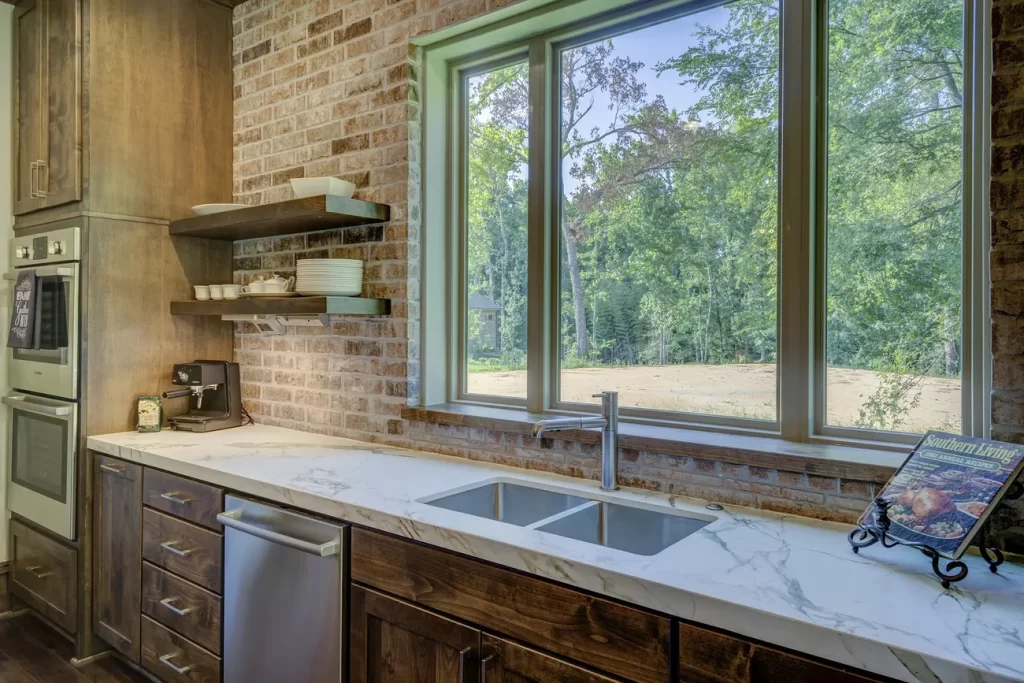
Conclusion: Making the Right Choice for Your Home
Choosing between Granite vs. Quartzite Countertops is not a simple decision—it’s an investment in both beauty and functionality that will influence the heart of your home for decades to come.
-
Granite offers an unmatched variety of colors and textures, making it perfect for homeowners who crave unique, dramatic surfaces or wish to harmonize with traditional design elements. It’s durable, heat-resistant, and a cost-effective option for those seeking natural stone’s beauty without breaking the budget.
-
Quartzite shines for homeowners who desire marble’s elegance without its vulnerabilities. Its stunning veining, superior hardness, and resistance to etching make it ideal for high-traffic kitchens and luxurious bathrooms alike. While often more expensive than granite, quartzite’s combination of aesthetics and resilience justifies its premium status.
Ultimately, your choice should align with your lifestyle, design vision, and practical needs. Do you entertain frequently and need surfaces that handle heavy use? Lean toward quartzite. Are you seeking variety, character, and a potentially lower investment? Granite may be your perfect match.
Either way, investing in natural stone countertops elevates your home’s aesthetic, value, and daily enjoyment.
Call To Action: All Quartz – Your Natural Stone Experts
At All Quartz, we specialize in helping homeowners navigate the exciting world of natural stone surfaces. Whether you’re leaning toward the classic charm of granite or the refined elegance of quartzite, our team offers expert guidance, premium stone selections, and professional installation services.
Contact us today to explore stunning options for your kitchen, bathroom, or other spaces—and let’s turn your vision into a lasting masterpiece!
Website: https://allquartznj.com/
Adress: 1 Apollo Dr Unit B, Whippany, NJ 07981
Phone: (908) 488-5602
Email: sales@allquartz.co