

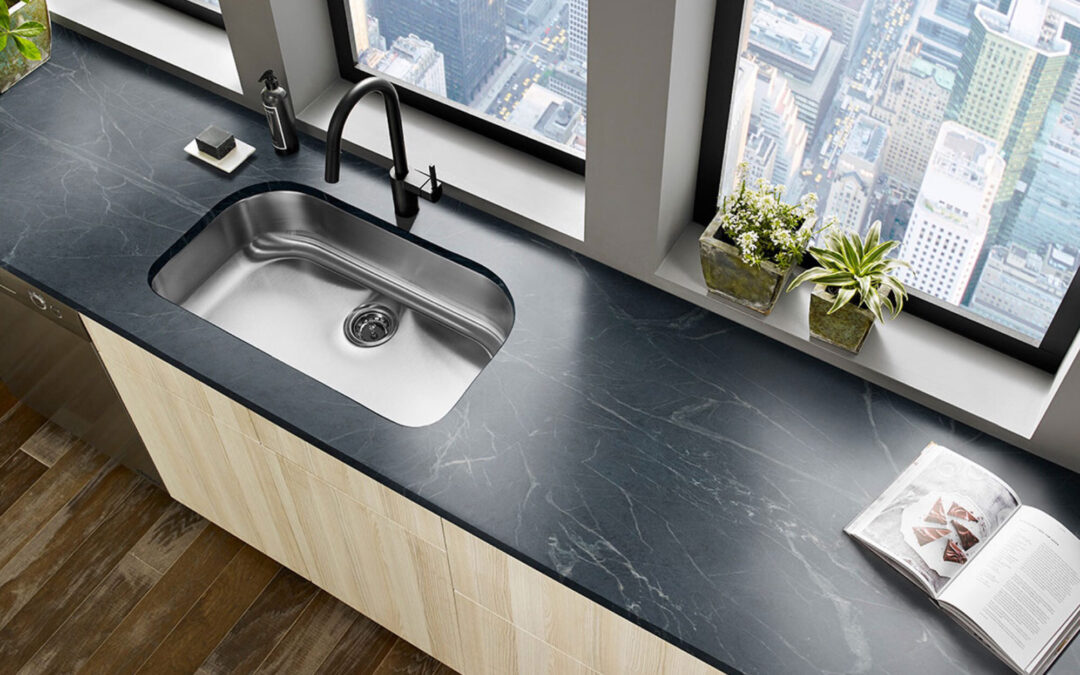
In the world of natural stone surfaces, few materials evoke as much curiosity and fascination as soapstone. Though less commonly discussed than granite or marble, soapstone has carved out a niche among homeowners and designers who appreciate its distinctive beauty, tactile warmth, and historic charm. But as with any material, soapstone comes with both significant advantages and notable drawbacks. Understanding the pros and cons of soapstone is crucial for anyone considering this stone for their kitchen or bathroom surfaces.
Soapstone has been used for centuries, gracing the countertops of New England farmhouses, scientific laboratories, and even iconic architectural landmarks. It’s a metamorphic rock composed primarily of talc, which gives it a soft, smooth texture and a signature “soapy” feel under your fingers. Visually, soapstone offers a sophisticated aesthetic with its deep, smoky hues and subtle veining, creating an atmosphere of quiet luxury and natural elegance.
However, soapstone’s unique characteristics also demand special consideration. Its softness makes it susceptible to scratches, and it requires a different maintenance approach compared to harder stones like granite or quartz. Additionally, while soapstone’s patina deepens beautifully over time, not every homeowner loves the evolving look.
In this comprehensive guide, we’ll explore the pros and cons of soapstone, discussing its aesthetic appeal, durability, cost considerations, maintenance requirements, and performance in kitchens and bathrooms. Whether you’re planning a rustic farmhouse renovation or aiming for a sleek modern aesthetic, this blog will help you decide if soapstone is the perfect choice for your home’s surfaces.
The Natural Beauty and Visual Appeal of Soapstone
Among the most celebrated pros of soapstone is its undeniable natural beauty. Soapstone possesses a refined elegance that stands out in both modern and traditional spaces, making it a favorite for homeowners who appreciate subtlety and sophistication in their design choices.
Unlike stones with dramatic, multicolored veining like marble or granite, soapstone’s appearance is characterized by gentle, flowing veining in shades of white, light gray, or subtle green running through a background that ranges from soft gray to deep charcoal. This understated aesthetic lends itself well to a variety of interior design styles, from classic farmhouse kitchens to sleek, minimalist bathrooms.
Another unique visual feature of soapstone is its patina development over time. When first installed, soapstone can appear lighter and softer in color. As it’s exposed to air, moisture, and daily use, the surface naturally darkens, acquiring richer, deeper tones that enhance the stone’s organic charm. Many homeowners accelerate this patina process by applying mineral oil, which deepens the color and highlights the veining.
Soapstone also boasts a soft, matte finish rather than the high-gloss polish typical of granite or quartz. This subtle, velvety surface texture absorbs light gently, creating a soothing, warm ambiance in kitchens and bathrooms alike.
While some homeowners fall in love with soapstone’s evolving character, it’s worth noting that others may prefer materials that retain a consistent appearance over time. This dynamic visual transformation can be viewed as either a pro or con, depending on personal taste.
In evaluating the pros and cons of soapstone, its distinctive aesthetic is undeniably one of its greatest strengths for those seeking natural beauty and timeless appeal.
The Unique Tactile Experience of Soapstone Surfaces
One of the most compelling pros of soapstone is the luxurious, tactile experience it offers. Unlike harder stones like granite or quartz, soapstone has a uniquely soft and smooth texture that feels almost velvety to the touch. This distinctive surface quality is a direct result of the stone’s high talc content, which contributes to its famed “soapy” feel.
Many homeowners and designers are drawn to soapstone for this very reason—it’s not just a countertop to look at but one to experience physically. Running your hand over a soapstone surface is a soothing sensation, adding an unexpected layer of comfort and warmth to kitchens and bathrooms. This quality makes soapstone especially inviting for spaces where people gather, cook, or relax.
The tactile softness of soapstone also has practical benefits. Items placed on the countertop, such as glassware, dishes, or bathroom accessories, rest gently rather than clattering against a hard, glossy surface. This can contribute to a quieter, more serene atmosphere in busy household spaces.
However, the same softness that makes soapstone a pleasure to touch also contributes to one of its potential drawbacks: susceptibility to scratches and nicks. Unlike granite or quartz, which resist surface damage, soapstone can be marked by knives, utensils, or sharp objects. Fortunately, many superficial scratches can be sanded out or minimized with mineral oil, but homeowners should consider this trade-off when assessing the pros and cons of soapstone.
Ultimately, the tactile luxury of soapstone is a significant factor in its enduring appeal, providing a sensory experience that few other materials can match.
Soapstone’s Heat Resistance and Kitchen Performance
Among the standout pros of soapstone is its impressive heat resistance, a feature that sets it apart from many other countertop materials and makes it particularly valuable in kitchen environments. Unlike engineered stones or even some natural stones, soapstone can tolerate extreme temperatures without damage.
Soapstone has historically been used for stoves, fireplace surrounds, and laboratory tables because it withstands direct contact with hot pots, pans, and baking trays. Homeowners love the freedom to place a hot pot directly on the countertop without worrying about burns, scorch marks, or cracks. This is a major advantage for avid cooks who need practical surfaces that can handle the demands of everyday cooking.
Another thermal benefit of soapstone is its excellent heat retention. The stone absorbs heat slowly and then radiates it back out over time. In practical terms, this means that in colder climates like those experienced in many regions, soapstone countertops feel pleasantly warm to the touch and can help maintain a cozy kitchen atmosphere.
However, while soapstone’s heat resistance is an asset, it’s essential to consider its relative softness. Though you can place hot cookware on the surface, sliding heavy pots or cast-iron pans across soapstone can result in surface scratches or nicks. Homeowners should always handle heavy cookware with care to preserve the countertop’s appearance.
In evaluating the pros and cons of soapstone, its capacity to handle heat without cracking or discoloration makes it a fantastic choice for serious home chefs. This natural resilience is a defining feature that adds significant value and functionality to any kitchen space.

Soapstone’s Chemical Resistance in Bathrooms
When evaluating the pros and cons of soapstone, its chemical resistance deserves special attention—especially in bathrooms, where surfaces are exposed to an array of personal care products, soaps, and cleaners. Unlike many other natural stones, soapstone has a unique advantage: it is non-porous, meaning liquids cannot penetrate its surface.
This resistance to moisture and chemicals offers several benefits in a bathroom environment:
-
Soapstone won’t absorb water, helping prevent staining or bacterial growth.
-
Common bathroom products, including toothpaste, shampoo, or beauty products, are less likely to cause discoloration.
-
Harsh cleaning chemicals, which might etch marble or stain granite, have minimal effect on soapstone.
In practical terms, this means homeowners can clean soapstone with everyday bathroom cleansers without fear of damaging its finish. Soapstone’s inert nature also makes it ideal for bathrooms shared by families, where surfaces see frequent and varied use.
However, one of the notable cons of soapstone in bathrooms is its tendency to develop surface scratches from items like metal grooming tools, jewelry, or even dropped objects. While these scratches can often be sanded out, they’re still a consideration for those wanting a pristine, scratch-free surface.
Another aesthetic point to remember is soapstone’s evolving patina, which may darken unevenly in areas of frequent use or contact with water. While some homeowners love this changing character, others might prefer a material that maintains a consistent appearance.
In summary, when weighing the pros and cons of soapstone, its chemical resistance and non-porous nature make it a highly practical and hygienic choice for bathroom vanities, sinks, and surrounds.
Soapstone’s Patina and Evolving Beauty
A feature unique to soapstone—and one of the defining pros of soapstone—is its ability to develop a patina over time. Unlike engineered surfaces that remain static, soapstone changes and matures, acquiring a richer, deeper tone with use and exposure. For many homeowners, this evolving aesthetic is a significant part of the stone’s charm.
Initially, soapstone typically appears in lighter shades of soft gray or blue-gray, with subtle veining visible beneath the surface. As it’s exposed to air, moisture, oils, and daily handling, the stone darkens, developing a deeper hue that many describe as a beautiful charcoal or even a soft black. Applying mineral oil can speed up this process, creating an instantly dramatic, darkened appearance that highlights the stone’s elegant veining.
The developing patina creates a living surface that tells the story of the home and its inhabitants. Marks from water glasses, cooking, or even fingerprints become part of the stone’s evolving character. Some homeowners find this personalized quality deeply appealing—it’s a countertop that ages gracefully, reflecting the history of daily life.
However, the patina is also one of the cons of soapstone for homeowners who prefer surfaces that remain consistent and uniform in appearance. Those who want a countertop that looks the same year after year might find soapstone’s evolving color and texture frustrating.
Another practical aspect of maintaining the patina is periodic oiling. While not strictly necessary, many homeowners choose to apply mineral oil every few weeks or months to enhance color uniformity and deepen the stone’s rich tones.
In considering the pros and cons of soapstone, its dynamic, evolving beauty is a defining characteristic that either enchants or deters potential homeowners. For those who love materials with character and soul, soapstone’s patina is one of its greatest strengths.
Maintenance and Care Requirements of Soapstone
Among the most frequently discussed topics in the pros and cons of soapstone conversation is the stone’s maintenance and care requirements. Soapstone is beloved for some aspects of its easy care—but also demands certain attention that might surprise homeowners used to ultra-low-maintenance materials like quartz.
On the positive side, soapstone’s non-porous nature means it doesn’t require sealing, unlike granite or marble. Liquids simply rest on the surface instead of soaking in, making soapstone naturally resistant to stains from water, wine, oils, or bathroom products. This is a significant advantage for both kitchens and bathrooms where spills are inevitable.
Daily cleaning is simple. Soapstone can be wiped down with mild soap and water, and it’s impervious to common household cleaners. There’s no need for specialty products or complicated care routines, contributing to soapstone’s reputation for low-maintenance daily living.
However, one of the notable cons of soapstone is its softness. Despite its stain resistance, it is prone to scratches, nicks, and dents. These surface imperfections can accumulate over time, particularly in high-use areas like kitchen prep zones or near bathroom sinks. Fortunately, minor scratches can be sanded out using fine-grit sandpaper, and mineral oil application often helps blend imperfections into the stone’s patina.
Mineral oiling itself is a unique aspect of soapstone care. While entirely optional, many homeowners choose to oil their countertops to deepen the color and promote a more uniform appearance. Initially, oiling might be required every few weeks, becoming less frequent over time as the stone naturally darkens.
In summary, among the pros and cons of soapstone, its lack of sealing and simple cleaning routine are definite positives, while its softness and optional oiling regimen represent considerations for homeowners seeking a “set it and forget it” surface.
Cost Considerations in the Pros and Cons of Soapstone
Another crucial factor in weighing the pros and cons of soapstone is its cost. Soapstone sits firmly in the premium category of countertop materials, typically priced higher than laminate or solid surface options but often less expensive than some exotic granites or marbles.
The price of soapstone varies based on factors like quarry location, slab thickness, color uniformity, and overall availability. Soapstone imported from specific regions, such as Brazil or certain quarries in the United States, may command higher prices due to unique aesthetic qualities or tighter supply.
On average, homeowners can expect soapstone to fall within the range of mid-to-high tier natural stones, making it an investment-worthy choice for those committed to its distinctive look and performance benefits. It’s worth noting that the initial cost includes fabrication and installation, which may require skilled professionals familiar with handling soapstone’s softer characteristics.
However, soapstone offers cost benefits over time due to its low maintenance requirements. Unlike granite or marble, it doesn’t require periodic sealing, saving money on upkeep. Additionally, its natural resistance to stains and chemicals reduces the risk of expensive repairs or replacements.
Potential additional costs include mineral oil maintenance if homeowners choose to darken and unify the surface. Although mineral oil itself is inexpensive, the time investment in regular applications, particularly in the first year, should be factored into the decision-making process.
When considering the pros and cons of soapstone, it’s essential to balance the upfront investment against long-term savings, aesthetic value, and the unique tactile and visual experience it brings to a home. For many, the long-lasting beauty and distinctive appeal justify the higher price tag.
Practical Tips for Living with Soapstone
For homeowners intrigued by the pros and cons of soapstone, practical knowledge can ensure you enjoy your countertop to the fullest while mitigating potential challenges. Here are some essential tips for living happily with soapstone surfaces:
-
Embrace the Patina: Understand that soapstone evolves in color and character over time. If you appreciate this natural change, you’ll fall in love with the stone’s personality. If not, consider alternative materials.
-
Use Cutting Boards: Although soapstone is heat resistant, it’s still prone to scratches. Always use cutting boards and avoid direct knife contact.
-
Protect High-Impact Areas: In kitchens, place mats or trivets under heavy cookware or appliances to minimize nicks and dents. In bathrooms, take care with metal tools or accessories that might scratch the surface.
-
Apply Mineral Oil (Optional): To deepen color and promote uniform aging, consider applying food-safe mineral oil. Apply initially every few weeks, then less frequently as the stone darkens naturally.
-
Sand Out Scratches: Minor surface scratches are easy to repair. Use fine-grit sandpaper (typically 120-220 grit) in a circular motion, then reapply mineral oil to blend the color.
-
Regular Cleaning: Clean with mild soap and water. Avoid harsh abrasives that might unnecessarily wear down the surface.
These tips empower homeowners to navigate the pros and cons of soapstone confidently, ensuring that the stone remains a beautiful, functional centerpiece in your kitchen or bathroom.

Pros and Cons of Soapstone: Quick Reference Table
To summarize the discussion so far, here’s a handy table outlining the key pros and cons of soapstone for kitchen and bathroom surfaces:
| Feature | Pros of Soapstone | Cons of Soapstone |
|---|---|---|
| Appearance | Elegant, natural veining; deepens with patina over time | Evolving look may not suit all tastes |
| Heat Resistance | Withstands hot pots and pans | Can scratch if heavy objects are dragged |
| Maintenance | No sealing needed; easy daily cleaning | Prone to scratches; requires oiling if dark patina desired |
| Hygiene | Non-porous; resists stains and bacteria | Can show surface wear in high-use areas |
| Tactile Feel | Soft, velvety texture | Softness contributes to surface damage potential |
| Chemical Resistance | Resistant to acids and cleaners | Susceptible to surface dents or gouges |
| Cost | Often less expensive than exotic stones; long-lasting | Higher initial cost than budget materials |
This table illustrates why many homeowners find the pros and cons of soapstone worth careful consideration before making a final choice.
Soapstone’s Role in Modern and Traditional Designs
One of the fascinating pros of soapstone is its unique ability to straddle both modern and traditional design aesthetics seamlessly. Few materials possess the same versatility, making soapstone a valuable choice for homeowners exploring diverse styles in kitchens and bathrooms.
In traditional or rustic designs, soapstone’s soft, matte finish and natural veining lend warmth and authenticity. It pairs beautifully with shaker-style cabinets, farmhouse sinks, antique fixtures, and natural wood accents. Many homeowners in historic homes choose soapstone to maintain period authenticity while enjoying modern functionality. The stone’s ability to darken over time adds character and fits perfectly into spaces that celebrate patina and timeless charm.
Conversely, soapstone also excels in modern and minimalist settings. Its deep, smooth hues create a sleek backdrop for clean lines, contemporary fixtures, and uncluttered spaces. The stone’s subtle veining provides visual interest without overwhelming the simplicity of modern design. Soapstone’s ability to be fabricated into integrated sinks or seamless backsplashes further enhances its suitability for modern aesthetics.
The stone’s neutral tones—from soft greys to rich charcoals—make it adaptable to a wide palette. Whether you’re pairing it with crisp whites, warm woods, or bold pops of color, soapstone’s understated elegance complements virtually any scheme.
When considering the pros and cons of soapstone, its design flexibility is a significant advantage. It allows homeowners to confidently choose soapstone knowing it can adapt to future changes in décor preferences or evolving home trends. This timeless versatility is one of the reasons soapstone continues to appeal to designers and homeowners seeking both beauty and adaptability in their surfaces.
Environmental and Sustainability Aspects of Soapstone
As environmental awareness grows, many homeowners want to understand the sustainability implications of their material choices. A notable pro of soapstone is that it’s a natural and eco-friendly material, making it an appealing option for environmentally conscious design.
Soapstone is quarried in relatively small operations compared to some other natural stones, often leading to less environmental disruption. Additionally, it requires minimal processing after extraction. Unlike engineered stones that rely on synthetic resins or energy-intensive manufacturing processes, soapstone slabs are cut and finished using straightforward methods, reducing their environmental footprint.
Another sustainable advantage is soapstone’s exceptional longevity. Because it’s durable and timeless, it often outlasts other materials in kitchens and bathrooms. Homeowners are less likely to replace soapstone simply because of trends, minimizing waste and resource consumption over time.
Soapstone is also fully recyclable. Old soapstone can be repurposed into new applications such as smaller countertops, tiles, or decorative pieces, ensuring the stone’s lifecycle continues well beyond its initial installation.
An important note is that soapstone does not emit volatile organic compounds (VOCs), which means it contributes to healthier indoor air quality. This makes it a safe option for homes prioritizing wellness and sustainability.
However, there are considerations on the cons side. Because soapstone is softer, it may require more frequent repairs or refinishing than harder stones, which could indirectly add to resource use if slabs need replacement in high-use areas.
Still, for homeowners concerned with sustainable living, the pros and cons of soapstone weigh heavily in favor of its natural origins, minimal chemical treatments, and long-term durability.
Final Thoughts: Weighing the Pros and Cons of Soapstone
Having explored the detailed pros and cons of soapstone, one thing is clear: soapstone is not simply a countertop material—it’s a statement of style and individuality. Its soft, velvety texture, timeless beauty, and natural character give it a unique place in both kitchens and bathrooms.
For many homeowners, soapstone’s benefits are compelling:
-
Heat resistance makes it ideal for avid cooks.
-
Its non-porous surface offers protection against stains and bacteria.
-
The stone’s evolving patina tells a story over time, adding depth and character.
-
Soapstone’s subtle veining and neutral colors make it versatile across design styles.
-
Maintenance is relatively simple, requiring only occasional mineral oil applications.
However, soapstone is not without its challenges:
-
Its softness makes it prone to scratches and dents.
-
The evolving patina may not appeal to homeowners wanting a uniform appearance.
-
It carries a higher upfront cost compared to budget-friendly options.
-
Regular oiling, while optional, adds a layer of ongoing care.
Ultimately, the decision to choose soapstone hinges on personal taste and lifestyle. For those who value natural materials that age gracefully and exude understated luxury, soapstone offers rewards that far exceed its drawbacks. But for homeowners seeking a perfectly uniform, ultra-durable surface, other materials like quartz or granite might be more suitable.
In weighing the pros and cons of soapstone, it’s crucial to balance practical needs with aesthetic desires. Soapstone stands as a testament to craftsmanship, natural beauty, and tactile elegance—a choice that, for the right homeowner, is both functional and deeply personal.
Call To Action: All Quartz – Your Natural Stone Specialists
At All Quartz, we believe your countertops should reflect your personality and your lifestyle. From stunning soapstone to quartz and granite, we’re here to help you navigate the choices and find the perfect surface for your kitchen or bathroom.
Whether you’re captivated by the timeless beauty of soapstone or exploring other options, our team offers expert guidance, premium stone selections, and professional installation services tailored to your project. Let’s bring your vision to life!
Contact us today to explore the unique advantages and possibilities that soapstone—and other beautiful natural stones—can bring to your home.
Website: https://allquartznj.com/
Adress: 1 Apollo Dr Unit B, Whippany, NJ 07981
Phone: (908) 488-5602
Email: sales@allquartz.co