

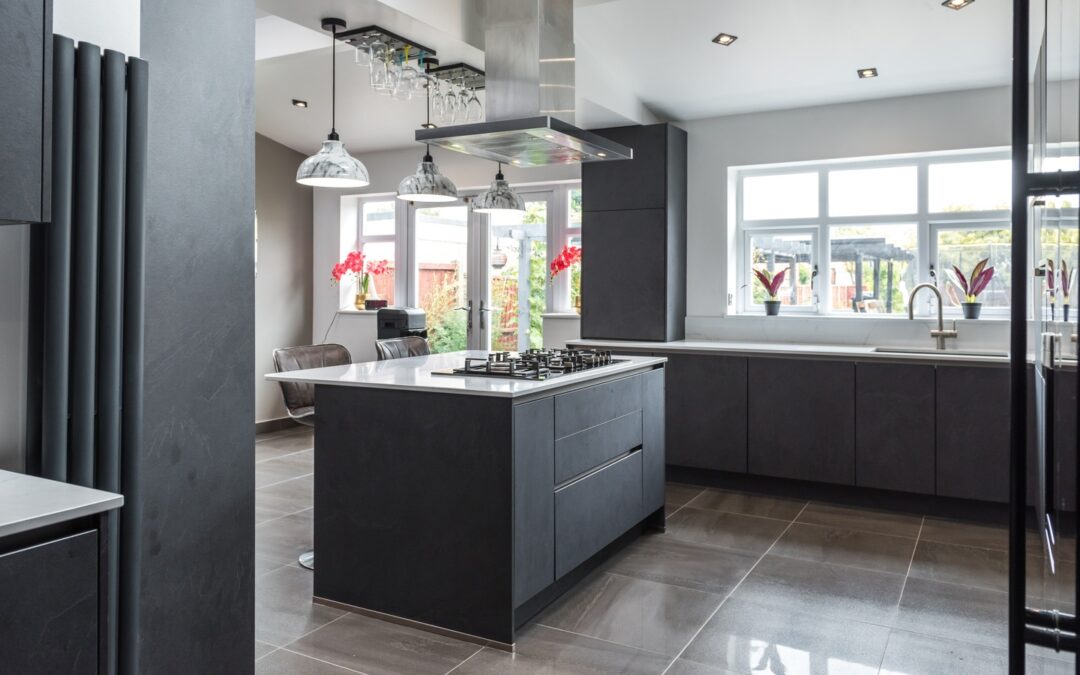
When selecting the ideal countertop material for your kitchen or bathroom, slate may not be the first option that comes to mind—but it should not be overlooked. This natural stone offers a rare blend of rugged beauty, strength, and ease of maintenance that appeals to homeowners looking for a distinctive yet functional surface. Once reserved primarily for roofing and flooring, slate countertops are growing in popularity among designers and homeowners in Randolph, NJ, who value slate’s natural textures and subtle elegance.
In this detailed guide, we explore the pros and cons of slate countertops, helping you evaluate whether this unique material fits your space. From durability to design compatibility, we’ll examine everything you need to know before investing in slate for your home.
Is Slate a Good Material for Countertops?
Slate is gaining a strong reputation as a durable, visually compelling countertop material. It is a metamorphic rock formed from ancient clay sediments under intense heat and pressure, which gives it its density and hardness. Slate’s low porosity makes it less likely to absorb spills compared to porous stones like marble or limestone, giving it a practical edge in kitchens and bathrooms.
One of slate’s standout features is its resistance to heat, scratches, and stains. Unlike softer natural stones, slate can withstand the impact of daily kitchen tasks, whether you’re chopping vegetables or placing hot pans directly onto the surface. Its resistance to acids and chemicals also makes it ideal for busy kitchens that endure heavy use.
Slate countertops also reflect the uniqueness of natural stone, with each slab offering individual colors and textures. These can range from charcoal and gunmetal grays to deep blues, greens, and even purples. The understated color palette gives slate a timeless elegance that suits both rustic and modern interiors.
Although slate requires sealing to protect it from moisture and staining, it is otherwise low-maintenance. When properly maintained, a slate countertop can last decades while retaining its rich natural beauty.
Pros of Slate Countertops
Visually Distinct and Naturally Elegant
Slate’s beauty lies in its earthy tones and matte texture. Whether you prefer a modern kitchen with steel accents or a traditional setup with wooden cabinetry, slate complements a wide range of styles. Its rich, velvety hues and subtle veining patterns lend sophistication and character to any interior design.
Each piece of slate is unique. No two slabs are exactly alike, making every installation a one-of-a-kind masterpiece. This exclusivity adds emotional and design value, especially for homeowners seeking something other than the mass-produced look of synthetic or composite surfaces.
Durability and Longevity
Slate is renowned for its long-lasting nature. It resists heat exceptionally well, which means you can place hot pots and pans directly on its surface without causing damage. Slate’s density makes it resistant to chipping, cracking, and surface wear, even after years of daily use. These properties are why slate is also commonly used in flooring, wall cladding, and even billiard tabletops.
Because of this durability, investing in slate countertops can be cost-effective over time. Once installed, they require minimal upkeep and are less likely to require replacement or major repairs, making slate a wise long-term investment.
Resistance to Heat and Stains
One of slate’s strongest features is its ability to handle extreme heat. Unlike some synthetic materials that can warp or discolor, slate maintains its structure and surface quality even when exposed to hot cookware.
Slate is also less porous than other natural stones, which means it’s more resistant to moisture and staining. Spills are less likely to soak into the stone, and when sealed periodically, the surface remains protected against food acids, oils, and liquids.
Ease of Maintenance
Slate is relatively easy to maintain. A simple wipe with a damp cloth and mild detergent is often enough to clean the surface. Harsh chemical cleaners are not necessary and should be avoided. Sealing the slate annually or biannually will help preserve its finish and further prevent absorption.
Compared to high-maintenance stones like marble—which are prone to etching—slate offers the beauty of natural stone with far fewer maintenance headaches.
Eco-Friendly Appeal
Slate is a naturally occurring material that doesn’t emit harmful chemicals. Unlike engineered quartz or laminate, it doesn’t require significant processing or the use of synthetic resins. Its extraction has a smaller environmental footprint, and the long lifespan of slate countertops reduces waste over time.
For eco-conscious homeowners, slate countertops in Randolph, NJ represent a sustainable and responsible design choice.
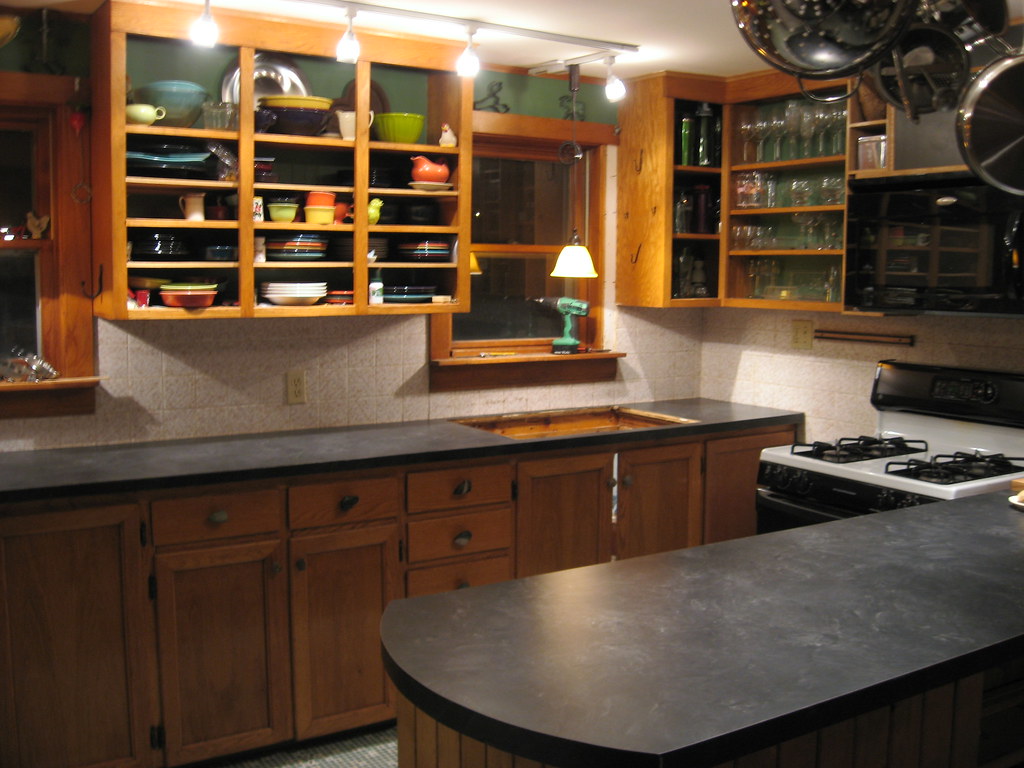
Cons of Slate Countertops
Higher Upfront Cost
While slate is less expensive than premium stones like quartzite or exotic granites, it does come at a higher cost than laminate or ceramic tile. The price can vary depending on the thickness, origin, and finish of the slate you choose. Customization, edge profiles, and professional installation will also affect the total price.
However, it’s essential to consider slate’s long lifespan and minimal maintenance costs. The initial investment can pay off over time through lower upkeep and repair expenses.
Periodic Sealing Required
Despite slate’s low porosity, it’s still a natural stone and thus benefits from occasional sealing. This process enhances its resistance to moisture and staining and helps maintain the appearance of the stone. Sealing is not a complex task, but it’s an added step that homeowners should be prepared to take once every 12–24 months.
Neglecting to seal slate can result in moisture absorption, especially in high-humidity areas like bathrooms or near sinks.
Not Immune to Scratches and Chips
While slate is durable, it isn’t impervious to damage. It can scratch under pressure from sharp objects or heavy impacts. Edges and corners, in particular, are more vulnerable and may chip if hit hard. Using cutting boards and trivets is advised to extend the life of the countertop.
Furthermore, deep scratches are difficult to buff out without affecting the matte texture of the slate, so it’s essential to treat the surface with care.
Limited Color Range
Unlike engineered surfaces that offer an endless spectrum of colors and patterns, slate’s natural color palette is more subdued. It is typically available in shades of gray, black, blue, and green. While this works beautifully in minimalist or natural interiors, it may not suit homeowners looking for bolder or brighter colors.
Still, the timeless hues of slate often outlast passing design trends and offer lasting visual appeal.
Installation Can Be Challenging
Slate is a heavy material, and handling it improperly can lead to cracks or breakage. For this reason, professional installation is a must. Experienced installers are equipped to cut, handle, and secure slate slabs with precision, minimizing the risk of damage and ensuring a secure fit.
DIY installations are discouraged due to the weight and fragility of the stone, especially for large or custom-cut pieces. Homeowners should also be cautious not to drop heavy objects on the surface post-installation to prevent chipping.
Can You Use Slate for a Kitchen Countertop?
Absolutely. Slate is an excellent choice for kitchen countertops. It checks many of the boxes homeowners look for: resistance to heat, durability, a unique visual texture, and ease of maintenance. Slate’s muted elegance pairs well with stainless steel appliances, natural wood cabinetry, and a variety of flooring materials.
In open-concept kitchens or spaces with limited lighting, slate’s soft matte finish and darker shades can add contrast and depth. It’s also suitable for use in other areas like wet bars, butler’s pantries, and laundry rooms due to its water resistance.
If you’re planning to install slate countertops near Randolph, NJ, consult with experienced suppliers and installers who can help you choose the right finish and edge detail for your needs. Whether you prefer a honed or cleft finish, slate adapts beautifully to a variety of interior themes.
What Are the Benefits of Slate Countertops?
Slate countertops provide both visual and practical advantages. Their durability, low porosity, and low maintenance needs make them ideal for busy households. Their subtle but rich tones provide a neutral base that blends effortlessly with most kitchen and bathroom designs.
The eco-friendly aspect of slate cannot be overstated. As a natural stone, it requires minimal processing and leaves a smaller carbon footprint compared to engineered surfaces. Its longevity also means fewer replacements, which contributes to sustainability.
From an investment standpoint, slate enhances the resale value of your home. Buyers appreciate natural stone for its durability and visual appeal, and slate’s timeless character ensures it won’t go out of style anytime soon.
Slate Countertops Sales and Installation in Randolph, NJ
If you’re looking for a way to bring timeless beauty and performance into your home, consider installing slate countertops with the help of the professionals at All Quartz Marble and Granite. We offer a handpicked selection of premium slate slabs in a range of tones and textures. Our experts work with you to tailor the dimensions, edges, and finish of your countertop to meet your exact needs and design vision.
From consultation to final installation, our team ensures precision, care, and lasting results. Whether you’re remodeling a kitchen, building a new bathroom vanity, or upgrading a laundry area, slate offers a beautiful solution that endures.
Contact All Quartz Marble and Granite
Choose the natural strength and beauty of slate countertops with All Quartz Marble and Granite—Randolph’s trusted source for custom stone fabrication and installation.
📍 Address: 12 Middlebury Blvd, Randolph, NJ
📞 Call us at: 908-680-0616
🌐 Website: https://allquartznj.com/