

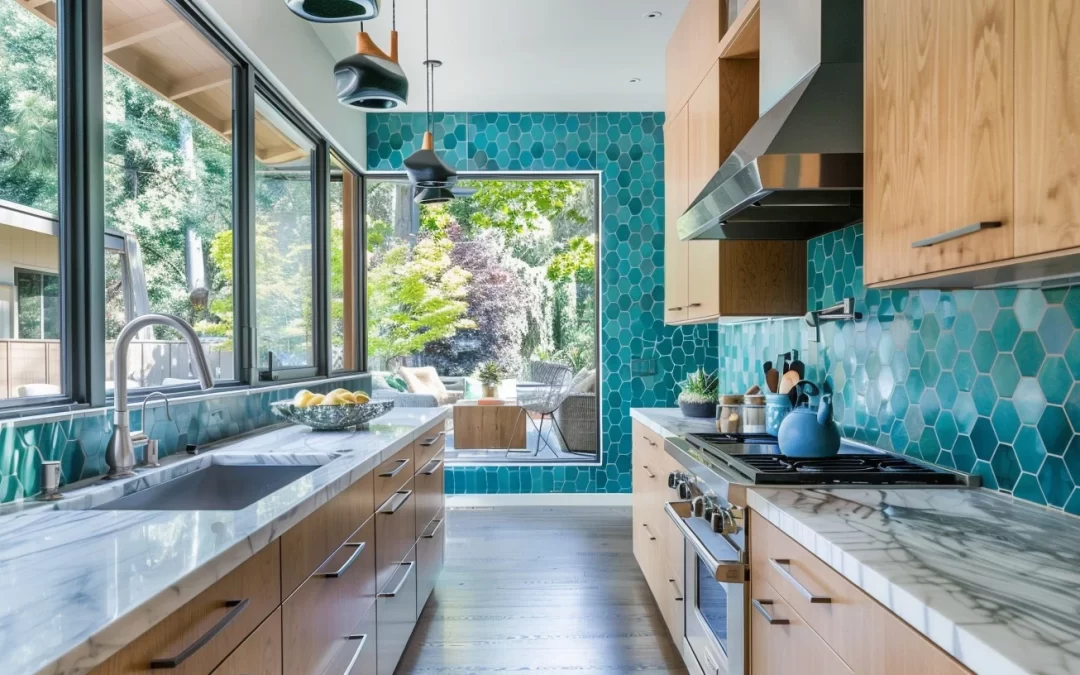
When it comes to kitchen and bathroom upgrades in New Jersey homes, few choices have a bigger impact than the countertops. Among the most popular options are natural stones like granite and marble, and engineered quartz. But deciding between Natural Stone vs. Engineered Quartz Countertops isn’t always simple—they both offer unique advantages, and the right choice often depends on your lifestyle, taste, and maintenance preferences.
Natural stone brings unmatched beauty and authenticity. Every slab is unique, offering character and timeless appeal. Engineered quartz, on the other hand, offers sleek consistency, extreme durability, and low maintenance. So which one should you install in your NJ home? That depends on whether you prioritize aesthetic uniqueness or performance and convenience.
In this post, we’ll dive deep into the differences, benefits, and drawbacks of each surface. We’ll look at cost, appearance, care requirements, and how each one performs in the real world—especially in the context of a busy New Jersey lifestyle. Whether you’re renovating a family kitchen in Morristown or designing a luxury bath in Montclair, understanding the debate between Natural Stone vs. Engineered Quartz Countertops will guide you toward the ideal surface for your home.
Appearance: Beauty in Nature vs. Uniform Design
When comparing Natural Stone vs. Engineered Quartz Countertops, aesthetic appeal is often the deciding factor. Natural stone slabs—whether granite, marble, or soapstone—offer one-of-a-kind veining, color variation, and a sense of organic luxury that can’t be duplicated. No two pieces of marble are the same, which adds a touch of exclusivity to your kitchen or bathroom.
Engineered quartz, however, excels in visual consistency. Because it’s made by combining natural quartz crystals with resin and pigments, quartz slabs are manufactured to match exactly, making it easier to create a cohesive design. For modern or minimalist NJ homes where uniformity matters, this is a big win. Quartz also mimics natural stones like Calacatta marble or concrete, giving you the look you want without the maintenance concerns.
Your personal style plays a major role here. Do you prefer the unpredictable beauty of nature, or are you drawn to the sleek precision of modern engineering? In either case, both surfaces offer high-end visual appeal—you just need to decide whether you want your space to feel more natural or refined.
In New Jersey homes, where trends blend old-world charm with contemporary flair, both materials can fit. But when it comes to appearance alone, your taste in texture, veining, and finish will determine the winner in the Natural Stone vs. Engineered Quartz Countertops matchup.
Durability and Resistance to Daily Wear
A countertop’s beauty means nothing if it can’t handle everyday use. That’s why durability is crucial when comparing Natural Stone vs. Engineered Quartz Countertops. Engineered quartz stands out for its resistance to stains, scratches, and impacts. Because quartz is non-porous, it doesn’t absorb liquids, making it ideal for kitchens with frequent spills, heavy usage, or curious kids.
Natural stone, on the other hand, is durable but requires more care. Granite is relatively tough, but still porous—it needs sealing to protect against stains. Marble is softer and more prone to etching and scratches, especially from acidic foods like lemon juice or vinegar. Soapstone resists heat well but can dent more easily.
For families in NJ who lead busy lives and want a surface that holds up with minimal effort, quartz is often the practical choice. It offers reliable protection without requiring annual maintenance, and its engineered composition ensures long-term performance. You don’t have to worry about sealing, and simple soap and water usually suffice for cleaning.
Still, some homeowners value the time-tested strength of natural materials and are willing to commit to proper care. In the end, the better option depends on whether you prioritize resilience and convenience or prefer the authentic aging that natural stone may develop over time.
Maintenance: Low Effort vs. Routine Care
If you dread the idea of regular upkeep, this is where Engineered Quartz clearly wins the battle. When comparing Natural Stone vs. Engineered Quartz Countertops, maintenance is one of the most significant differentiators. Quartz is designed to be non-porous, meaning it resists bacteria, stains, and moisture without needing any sealing or special treatment.
Natural stone surfaces, however, often need regular sealing to maintain their appearance and functionality. Granite typically requires sealing once a year to avoid oil or wine stains. Marble may require even more frequent sealing due to its porous and delicate surface. These steps aren’t especially hard—but they are easy to forget, and skipping them can lead to permanent damage.
For NJ homeowners with busy schedules, engineered quartz’s low-maintenance quality is a major advantage. You can spend less time worrying about upkeep and more time enjoying your home. A simple wipe-down with mild soap and water is all it takes to keep quartz looking like new.
Those who love natural stone are usually willing to take on a little extra work. The pay-off is a surface that ages gracefully and carries the mark of use and history. But if ease of use is your top concern, quartz is the clear winner in the Natural Stone vs. Engineered Quartz Countertops debate when it comes to maintenance.
Cost Considerations: Upfront Price vs. Long-Term Value
Budget always plays a role in renovation decisions. So how do costs compare in the battle of Natural Stone vs. Engineered Quartz Countertops? The answer isn’t always straightforward. While both materials fall into the mid-to-high-end price range, several factors can influence the final number—including slab quality, design complexity, and installation fees.
Natural stone pricing can vary significantly depending on rarity and origin. A common granite may cost less than a premium quartz, while exotic marble can cost far more. But natural stones often require ongoing maintenance, like sealing and polishing, which adds to long-term expenses.
Quartz offers consistent pricing and fewer hidden costs over time. Because it doesn’t need sealing or special cleaners, the maintenance cost is virtually zero. For many NJ homeowners, this predictable pricing is appealing, especially when planning large kitchen or bath projects with a defined budget.
Also worth noting: quartz slabs are often easier and faster to install, which can reduce labor costs. And with their longer warranties and high durability, engineered quartz surfaces may offer better long-term value despite a similar or slightly higher upfront price.
In short, if you’re looking for low-maintenance longevity, quartz may deliver a stronger return. If you value natural uniqueness, you might be willing to invest more up front for the charm of authentic stone. The financial winner in Natural Stone vs. Engineered Quartz Countertops depends on your priorities.
Environmental Impact: Sustainability and Sourcing
As more NJ homeowners make eco-conscious choices, the environmental impact of building materials has come under greater scrutiny. In the debate of Natural Stone vs. Engineered Quartz Countertops, both options have strengths and challenges when it comes to sustainability.
Natural stone is quarried directly from the earth, which means its production requires significant energy for extraction and transportation, especially if it’s imported from overseas. That said, natural stone is also a long-lasting, recyclable material that doesn’t contain harmful resins or synthetics. If sourced locally, it can have a relatively low carbon footprint.
Engineered quartz is manufactured using a blend of natural quartz crystals, resins, and pigments. While quartz slabs are not mined like stone, the resin content and factory fabrication process do carry environmental costs. However, many modern quartz brands now include recycled materials and maintain LEED certification standards. Companies like Caesarstone and Silestone have taken steps to reduce water usage and carbon output.
In NJ homes aiming for LEED-certified builds or green renovations, engineered quartz can be an appealing option—especially if sourced from manufacturers focused on eco-friendly practices. Meanwhile, natural stone appeals to those seeking a completely natural product, ideally sourced regionally.
Ultimately, if sustainability is a priority, look for certifications, local sourcing, and recycled content when evaluating both options in the Natural Stone vs. Engineered Quartz Countertops debate.
Learn about LEED certification from GSA.gov
Resale Value and Homebuyer Appeal
Countertops play a major role in real estate value, especially in New Jersey’s competitive housing market. When choosing between Natural Stone vs. Engineered Quartz Countertops, it’s important to consider what future homebuyers will appreciate—and what might influence resale.
Natural stone, especially high-end marble or exotic granite, carries an immediate luxury appeal. It’s seen as a status material, ideal for upscale properties or buyers who value natural aesthetics. However, some homebuyers may be wary of the required maintenance, particularly in family homes where convenience is key.
Quartz offers broad, mainstream appeal thanks to its modern look, easy care, and durability. Many buyers recognize quartz as a premium product, and the promise of low upkeep adds to its attractiveness. In fact, realtors often highlight quartz countertops as a selling point in NJ listings, especially in newer developments and remodeled properties.
When weighing future resale, think about your home’s location and target market. Buyers in urban areas or with families may prefer quartz, while buyers of luxury or historic homes may lean toward natural stone for authenticity.
Either way, well-installed countertops boost value—but quartz may offer broader appeal to today’s function-first buyers, tipping the scale in the Natural Stone vs. Engineered Quartz Countertops discussion.

Versatility in Design Applications
When designing your dream kitchen or bathroom, the versatility of your countertop material can impact everything from layout to aesthetics. In comparing Natural Stone vs. Engineered Quartz Countertops, both offer flexibility—but in different ways.
Natural stone’s organic veining and unique textures give it character unmatched by man-made materials. It’s perfect for making a bold statement—think dramatic marble islands or rugged granite bathroom vanities. However, it’s harder to match slabs perfectly across seams or large surfaces, which can make some design plans trickier.
Engineered quartz, in contrast, provides perfect pattern consistency, making it ideal for open floorplans or large countertops where continuity is important. It’s also available in an extensive range of colors, finishes, and mimic-stone styles, giving you design control with fewer surprises. Want a marble look without maintenance? Quartz delivers that effortlessly.
From backsplashes to integrated sinks to waterfall edges, quartz’s uniformity and ease of fabrication allow it to adapt to nearly any vision. Natural stone can be more challenging to cut or shape, especially when working with complex edge profiles or delicate veining.
For NJ homeowners working with contractors or designers, quartz may offer more reliable results and creative freedom, especially in modern or transitional homes. But for rustic charm or timeless elegance, natural stone still holds strong.
Installation: Complexity, Time, and Costs
Installation is a major phase in your countertop journey—and knowing how Natural Stone vs. Engineered Quartz Countertops compare in this area can help you plan smarter. While both require professional installation, there are a few differences that can impact your timeline, costs, and results.
Quartz, being an engineered product, typically comes in standard slab sizes, making it easier to fabricate and fit to your kitchen layout. The material is also more forgiving to cut and seam, allowing for precise installations even in tricky NJ homes with uneven walls or unique dimensions. This often results in faster turnaround times and fewer unexpected delays.
Natural stone, on the other hand, must be handled with extra care. Variations in veining or color mean slabs must be strategically matched, and the stone itself can be more brittle depending on the type. Installation may require additional labor to cut around imperfections or align patterns, especially for large or complex layouts.
Cost-wise, both materials are relatively similar in terms of labor, though quartz may come with slightly lower installation costs due to ease of handling. In either case, it’s critical to work with experienced professionals to ensure secure support, seamless finishes, and proper sealing (for natural stone).
Installation can make or break your investment—so in the context of Natural Stone vs. Engineered Quartz Countertops, quartz often provides a smoother, more controlled experience.
Comparison Table: Natural Stone vs. Engineered Quartz Countertops
| Feature | Natural Stone | Engineered Quartz |
|---|---|---|
| Appearance | Unique and natural variations | Uniform, consistent patterns |
| Durability | Strong but can chip or stain | Highly durable and scratch-resistant |
| Maintenance | Requires sealing and more care | Low-maintenance and non-porous |
| Stain Resistance | Varies by stone type | Excellent resistance to stains |
| Eco-Friendliness | Natural but requires quarrying | Can include recycled content |
| Resale Appeal | High-end, luxury appeal | Broad modern appeal, low upkeep |
| Design Versatility | Natural character, less control | Highly customizable, many colors |
| Installation | Requires careful handling | Easier and more efficient |
| Cost Over Time | Higher maintenance costs | Long-term savings, minimal upkeep |
| Best For | Traditional, luxury, natural homes | Busy families, modern NJ lifestyles |
Choose the Right Countertop with Confidence — Partner with All Quartz Co.
Whether you’re drawn to the raw elegance of natural stone or the effortless performance of engineered quartz, making the right countertop choice for your NJ home is easier with expert guidance. At All Quartz Co., we bring years of experience, personalized support, and top-tier craftsmanship to every project. We understand that the decision between Natural Stone vs. Engineered Quartz Countertops isn’t just about looks—it’s about finding the perfect surface to match your lifestyle.
Our team takes time to understand your design goals, maintenance preferences, and budget, so we can recommend materials that check every box. From consultation to installation, we ensure your project runs smoothly, on time, and with stunning results.
Let us help you choose a countertop that enhances the beauty, functionality, and value of your home. With All Quartz Co., you’ll get honest advice, high-quality materials, and flawless fabrication every step of the way.
What We Offer at All Quartz Co.
At All Quartz Co., we specialize in premium surfaces for NJ homeowners, builders, and designers who expect nothing but the best. Our services include:
• Custom Quartz Countertops – Engineered quartz slabs in a wide range of colors, veining styles, and finishes tailored to modern lifestyles.
• Natural Stone Countertops – Luxurious marble, granite, quartzite, and soapstone slabs sourced from trusted quarries for timeless beauty.
• Bathroom Vanity Tops – Custom-fitted surfaces for powder rooms, master baths, and full bathroom renovations.
• Backsplashes & Waterfall Edges – Seamless designs that extend elegance beyond the countertop.
• Outdoor Kitchen Surfaces – Durable materials that withstand weather and wear without sacrificing style.
• Templating, Fabrication & Installation – Full-service support from measurement to the final polish, handled by seasoned professionals.
No matter your project’s scope, All Quartz Co. delivers elevated surfaces that combine performance, design, and long-term value for your New Jersey home.
Contact Us
Website: https://allquartznj.com/
Adress: 1 Apollo Dr Unit B, Whippany, NJ 07981
Phone: (908) 488-5602
Email: sales@allquartz.co