

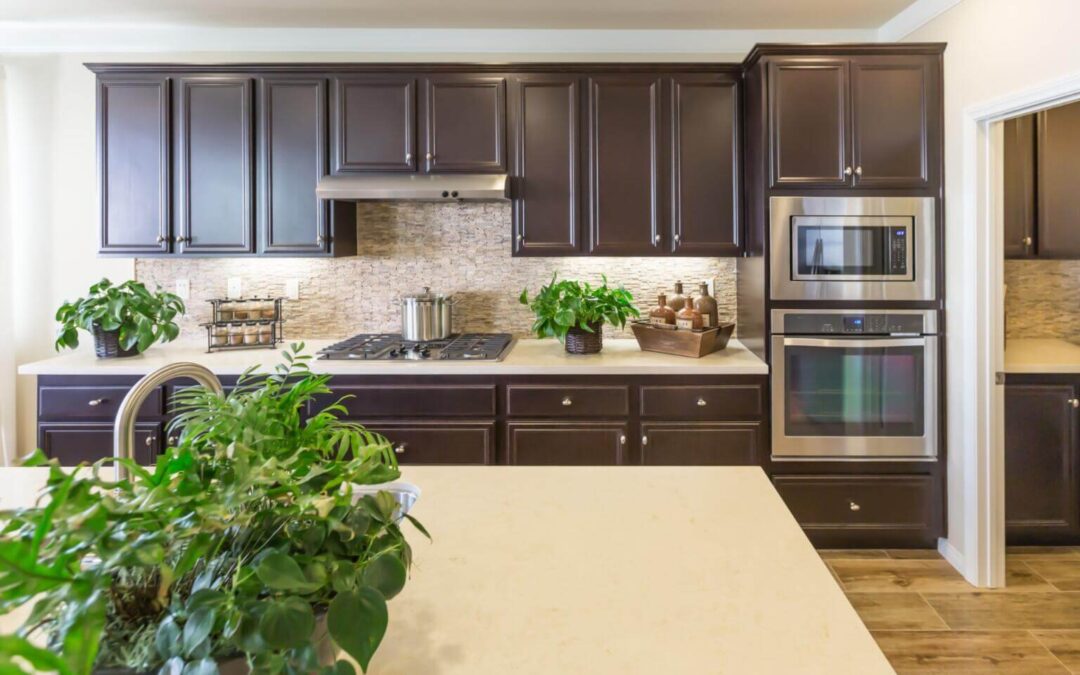
When planning a kitchen remodel, one of the most impactful choices you can make is the selection of a countertop material. The surface you choose not only contributes to the overall aesthetic of your kitchen but also impacts its functionality, ease of maintenance, and long-term value. Among the many options available today, Travertine countertops stand out for their unique visual appeal, affordability, and historical charm. As a form of natural limestone formed by mineral springs, travertine carries a legacy of strength and beauty, dating back to ancient architecture. It’s a material that has stood the test of time, used in ancient Roman buildings, and continues to find favor in modern homes for its earthy textures and warm tones.
But is travertine right for your kitchen? Like any other countertop material, it comes with its own set of advantages and disadvantages. Understanding the pros and cons of travertine countertops will help you make an informed, confident decision for your kitchen renovation in Randolph, NJ or surrounding areas.
Is Travertine a Good Choice for Kitchen Countertops?
Travertine is a sedimentary rock that’s often appreciated for its earthy tones and textured finish. When used as a countertop, it adds character and natural warmth to the space. One of the reasons homeowners gravitate toward travertine countertops is their reflective surface, which enhances brightness in the kitchen. Light bounces off travertine beautifully, making it an ideal choice for smaller kitchens or spaces lacking natural light. The ability of travertine to give a soft glow when under pendant or task lighting further enhances the atmosphere in your kitchen, creating a space that feels airy and inviting.
Travertine is also valued for its versatility. It can be cut, polished, and shaped into various formats with ease, allowing for extensive customization. Whether you’re installing it on your kitchen island or using it for an L-shaped countertop, travertine adapts well to different design styles. This stone is available in a variety of colors like cream, ivory, beige, silver, coral, walnut, and brown. You can easily coordinate it with your kitchen’s existing color palette or cabinetry. For those looking for a cohesive design, the range of travertine colors can tie together other design elements such as flooring, backsplashes, and fixtures.
Compared to granite and marble, travertine is a relatively lightweight material, making installation more straightforward and faster. Because it is easier to lift and maneuver, contractors can complete installations efficiently, reducing overall labor costs. Once placed on your cabinets or island base, it simply needs to be sealed properly for long-term use. The reduced installation effort can also mean less disruption during your kitchen renovation, allowing for quicker turnaround and cost savings on labor.
Travertine’s practical advantages and stunning look make it a favorite among interior designers and fabrication experts. With routine sealing every five to six years, travertine countertops can maintain their appearance and durability over time. The stone’s inherent density also contributes to its longevity, offering years of reliable performance. With the right care and professional installation, a travertine countertop can retain its charm and functionality for decades.

Do Travertine Countertops Stain Easily?
Like many natural stones, travertine is porous, which means it can absorb liquids if left unsealed or poorly maintained. This doesn’t necessarily mean it will stain more than other materials—proper care plays a significant role in keeping it spotless. If spills such as wine, coffee, or oil are cleaned immediately, staining is unlikely. Kitchens are high-activity zones, and spills are bound to happen, especially in families with children or frequent guests.
In busy kitchens where spills are inevitable, immediate cleanup is crucial. Letting liquids sit on the surface for long periods increases the risk of absorption and staining. Still, travertine resists stains better than materials like wood or low-end laminates. Unlike wood, which tends to retain stains even after cleaning, travertine can often be restored to its original look with a simple wipe-down—provided the surface has been properly sealed. This makes travertine a great compromise between beauty and practicality for everyday use.
To keep your travertine countertops in Randolph, NJ looking their best, regular resealing is essential. Once sealed, the surface becomes significantly more resistant to stains and water absorption. Using coasters and wiping up spills promptly will help keep the countertops free from blemishes. When compared to other materials, especially those prone to permanent staining, travertine holds up quite well when handled with care. Some homeowners also opt for a honed finish instead of polished, which can help disguise minor imperfections and offer a more rustic appeal.
Can Vinegar Damage Travertine Countertops?
Yes, vinegar can damage travertine—and it’s not the only culprit. Any acidic substance, including lemon juice and tomato-based sauces, can cause etching or discoloration on the surface of travertine countertops. Vinegar, being an acid, reacts with the calcium carbonate present in travertine, resulting in surface dulling and sometimes even pitting. This is a critical consideration in kitchens where food prep is frequent and acidic ingredients are common.
To clean your travertine countertops, use a mild, pH-neutral soap diluted in warm water. A soft washcloth or microfiber towel is ideal for wiping down the surface. Avoid commercial cleaners that contain acidic compounds, as even occasional use can lead to long-term damage. If you’re unsure which products are safe, consult your countertop fabricator or installer for recommendations tailored to travertine. Manufacturers often suggest specific stone-safe cleaning kits that include solutions and towels designed for delicate surfaces like travertine.
Routine maintenance is simple but essential. With just a few mindful practices, you can prevent irreversible damage and preserve the natural luster of your travertine countertops for years. The key is consistency—keeping a spray bottle of neutral cleaner on hand and making it a habit to clean up after each use helps maintain both hygiene and beauty.
Are Travertine Countertops Heat-Resistant?
Travertine has decent heat resistance, which makes it relatively safe for occasional contact with hot pots or pans. It doesn’t crack or warp easily due to temperature changes. However, placing extremely hot cookware directly on the surface is not recommended. Prolonged heat exposure can cause surface discoloration and reduce the stone’s natural sheen. While travertine won’t shatter from heat alone, its finish can degrade faster if exposed continuously.
To protect your countertops, use trivets or heat pads when handling hot kitchenware. While the countertop may withstand the heat, using a barrier ensures that its appearance remains untarnished. Over time, avoiding direct contact with high temperatures helps retain travertine’s reflective surface and visual appeal. Some homeowners even integrate heat-resistant inlays or trivets into the countertop layout to avoid this issue entirely.
In high-use kitchens where stovetop-to-counter transfers are frequent, it’s best to develop habits that safeguard your investment. After all, a little prevention can go a long way in maintaining the original beauty of your countertops. Being mindful of your kitchen habits can extend the life and finish of your travertine surface significantly.
Why Travertine Countertops Are a Smart Choice for Kitchen Design
One of the primary reasons homeowners in Randolph, NJ consider travertine countertops is their cost-effectiveness. With pricing starting around $65 per square foot, travertine presents a more affordable alternative to materials like marble or quartz, without compromising on beauty. This makes it especially appealing for large kitchen renovations where cost per square foot adds up quickly. For budget-conscious homeowners looking to elevate their kitchen design, travertine is an excellent choice that delivers high-end results.
Travertine countertops are remarkably easy to clean. A damp cloth and mild soap are generally all you need for daily maintenance. Avoiding abrasive scrubbers or chemical cleaners will protect the stone’s finish. Most spills can be wiped away effortlessly, keeping the countertop looking polished and pristine. This ease of cleaning makes it ideal for busy households or rental properties, where low-maintenance durability is a priority.
Despite being lighter and easier to cut, travertine is surprisingly strong. It doesn’t crack or chip easily, making it suitable for high-traffic kitchen environments. You can rest kitchen tools or even heavy appliances on it without worrying about surface damage. While it’s still wise to use cutting boards to protect the finish, the risk of permanent damage from knives or utensils is low. Travertine’s scratch resistance also makes it a suitable option for secondary kitchen surfaces like prep areas and breakfast bars.
Travertine adds a rustic yet elegant charm to your kitchen. It’s ideal for those seeking a warm, welcoming atmosphere rather than the ultra-sleek look of granite or stainless steel. The stone’s natural variations and soft hues lend themselves beautifully to both classic and contemporary designs, making travertine a flexible option no matter your interior style. Combined with under-cabinet lighting and complementary backsplashes, travertine countertops can help create a cohesive, magazine-worthy kitchen design.
Travertine countertops deliver a balanced blend of function, form, and affordability—making them a compelling choice for any homeowner focused on both design and durability. It’s a material that offers value, not just at the point of purchase, but throughout the life of your kitchen.
Travertine Countertops in Randolph, NJ – Installation & Sales
If you’re considering a kitchen remodel or a simple countertop upgrade, look no further than All Quartz Marble and Granite in Randolph, NJ. Our expert team specializes in custom countertop fabrication, offering a wide variety of natural stones—including premium travertine slabs in multiple color options. We’ll help you select the best design, fabricate the slab to fit your space perfectly, and complete a seamless installation. Our customer-focused approach ensures that you receive tailored advice, reliable scheduling, and outstanding results.
Whether you’re going for a timeless traditional look or something more modern and minimalist, travertine can deliver. Our specialists are here to guide you through the process, ensuring that your new countertop not only looks stunning but also stands the test of time. We offer free estimates, detailed consultations, and full-service support from selection to final polish.
Contact All Quartz Marble and Granite
Experience the elegance and durability of travertine countertops—professionally fabricated and installed by the experts at All Quartz Marble and Granite. Let’s bring natural beauty into your home, one surface at a time.
📍 Address: 12 Middlebury Blvd, Randolph, NJ
📞 Call us at: 908-356-5613
🌐 Website: https://allquartznj.com/