

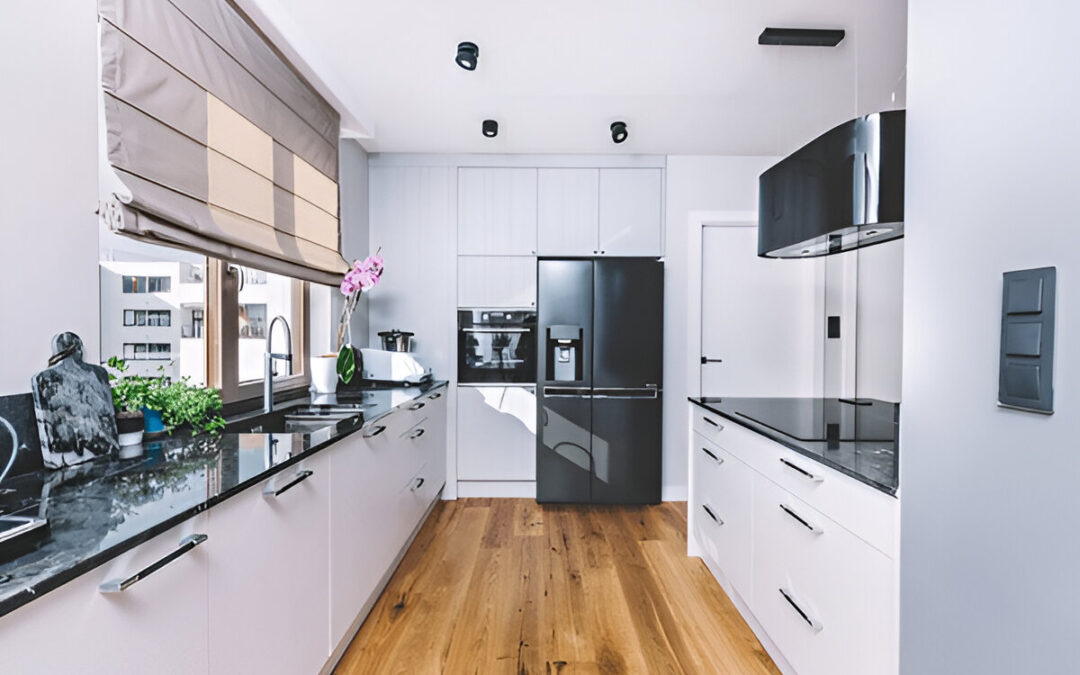
When planning a kitchen or bathroom renovation, few decisions hold as much significance as choosing your countertop material. Not only is the countertop the focal point of your space, but it also endures daily wear and tear, spills, heat, and impacts. Among the most sought-after premium materials are quartz and quartzite, two stones often compared but frequently misunderstood. Despite sharing similar names, these materials differ significantly in composition, appearance, maintenance, and performance.
The surge in popularity for both quartz and quartzite has left many homeowners pondering a critical question: Which material is better for my countertops? Quartz or quartzite? Each offers unique advantages that cater to different lifestyles, aesthetics, and budgets. Understanding these differences can save you from costly mistakes and ensure you invest in a surface that aligns with your practical needs and design vision.
In this comprehensive guide, we’ll unravel the myths, examine the details, and help you navigate the nuances of Quartz Vs. Quartzite. From how each stone is formed to how they perform under daily use, we’ll leave no stone unturned—literally. By the end, you’ll feel equipped with the knowledge to confidently choose the right material for your kitchen, bathroom, or any space demanding a blend of beauty and functionality.
Understanding Quartz: Engineered Elegance
One half of the Quartz Vs. Quartzite debate begins with quartz, a material that has revolutionized modern countertop design. Unlike natural stones, quartz countertops are engineered surfaces, crafted from a blend of roughly 90–95% ground natural quartz crystals and 5–10% polymer resins, pigments, and binders. This precise manufacturing process allows for remarkable consistency in color and pattern, making quartz highly versatile in modern interior design.
Homeowners are drawn to quartz for several reasons. It’s available in an astonishing range of colors—from classic whites and blacks to bold blues and greens—and can mimic the look of natural stones like marble or granite without their unpredictability. The surface is non-porous, resisting stains, bacteria, and moisture far better than many natural stones. This makes it an excellent choice for kitchens, bathrooms, and other high-traffic areas where hygiene and easy cleaning are top priorities.
Moreover, quartz doesn’t require sealing, unlike natural stones. The resin binders create a surface that’s inherently resistant to staining, scratching, and etching from acidic foods like lemon juice or vinegar. This ease of maintenance is one of quartz’s biggest selling points.
However, it’s essential to recognize quartz’s limitations. While extremely durable, it’s not entirely impervious to heat. Placing hot pots or pans directly on quartz can damage the resins, leading to discoloration or cracks. Understanding both the strengths and limitations of quartz is key in the Quartz Vs. Quartzite debate, ensuring you choose a countertop material that suits your lifestyle and aesthetic aspirations.
Exploring the Beauty of Quartzite
The other half of the Quartz Vs. Quartzite discussion brings us to quartzite, a natural stone that offers a breathtaking aesthetic and incredible strength. Unlike quartz, which is engineered, quartzite is a metamorphic rock formed from sandstone subjected to intense heat and pressure deep within the Earth’s crust. This geological transformation results in a stone that’s not only stunningly beautiful but also impressively durable.
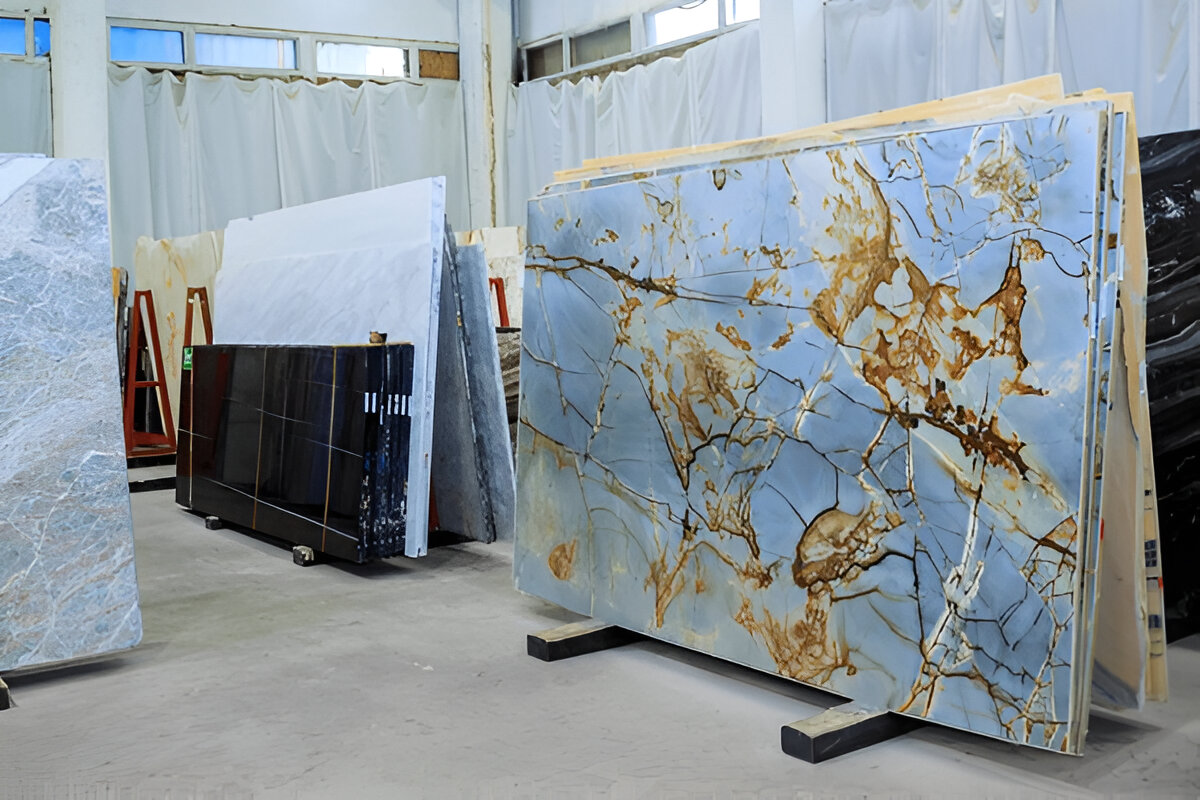
One of quartzite’s most alluring qualities is its appearance. Many quartzite slabs resemble luxurious marble, showcasing delicate veining, soft whites, and subtle hues that exude elegance and sophistication. Unlike quartz, whose patterns are often uniform due to manufacturing, quartzite offers a one-of-a-kind look, ensuring no two slabs are identical.
Homeowners are particularly attracted to quartzite for its natural glow and crystalline sparkle that catch and reflect light in captivating ways. This makes it a perfect choice for creating high-end kitchen islands, waterfall edges, and bathroom vanities that double as statement pieces.
Beyond aesthetics, quartzite is remarkably hard and scratch-resistant. It ranks higher on the Mohs scale than granite, making it one of the toughest natural stones for countertops. It can handle everyday kitchen tasks without easily scratching or etching, and its natural density provides resistance to heat, allowing hot pans to be placed on the surface briefly without significant damage.
However, quartzite does require sealing to protect against stains and spills, particularly from acidic substances that can etch the surface over time. Regular maintenance ensures it remains as gorgeous as the day it was installed. In the debate of Quartz Vs. Quartzite, quartzite appeals to those seeking natural beauty and unique, luxurious aesthetics.
Composition and Manufacturing Differences
At the core of the Quartz Vs. Quartzite debate lies the fundamental difference in how each material is formed. Quartzite is a purely natural stone, while quartz is an engineered product.
Quartzite originates as sandstone, subjected to intense heat and pressure over millions of years. This process causes the quartz crystals within the sandstone to fuse together, resulting in an incredibly dense and hard rock. It’s quarried in large blocks and sliced into slabs for countertop fabrication. The beauty of quartzite lies in its natural patterns and veining, with each slab presenting unique variations in color and texture.
On the other hand, quartz countertops are manufactured in factories. Quartz crystals are ground into fine particles and mixed with polymer resins and pigments. This mixture is poured into molds, compacted under high pressure, and then cured to form solid slabs. The result is a surface that’s highly uniform in appearance, allowing homeowners to achieve a specific look without worrying about natural inconsistencies.
The engineered nature of quartz gives it several advantages, such as predictable color, consistent patterning, and the ability to replicate the appearance of other materials like marble or concrete. It also ensures the countertop is non-porous, making it more resistant to stains and bacteria.
However, for homeowners who desire the uniqueness and organic feel of natural stone, quartzite holds the upper hand. Each slab is a natural masterpiece, impossible to duplicate, which many homeowners find invaluable.
Ultimately, the Quartz Vs. Quartzite debate hinges on whether you prefer the consistency and practicality of quartz or the natural beauty and individuality of quartzite.
Aesthetic Differences Between Quartz and Quartzite
When exploring Quartz Vs. Quartzite, one of the most noticeable differences lies in aesthetics. The choice between the two materials often comes down to whether you prefer natural variation or manufactured consistency in your countertop design.
Quartzite is treasured for its natural beauty. Its crystalline structure gives it a soft sparkle and a luminous quality that can’t be replicated in engineered materials. The color palette is usually light and elegant, with delicate veining similar to marble, but there are also bolder options featuring rich grays, blues, greens, or even pinks. Because quartzite is a product of nature, each slab is unique, with variations in pattern and hue, making it ideal for homeowners seeking a truly one-of-a-kind look.
Quartz, in contrast, offers a consistent and controlled appearance. Because it’s engineered, manufacturers can create slabs with predictable patterns, uniform colors, and surfaces that mimic natural stones like marble, granite, or concrete. This makes quartz an excellent choice for those who desire a specific aesthetic without worrying about the unpredictable veining or color changes found in natural stone.
Another aesthetic advantage of quartz is the wide color selection. From pure whites and jet blacks to vibrant reds or calming blues, quartz can be customized to complement virtually any interior design scheme. Homeowners seeking bold, contemporary colors or dramatic solid surfaces often lean toward quartz for the freedom of design it provides.
In the debate of Quartz Vs. Quartzite, aesthetics play a huge role. Quartz appeals to those seeking controlled beauty and modern hues, while quartzite captivates lovers of natural stone’s organic and timeless elegance.
Durability and Performance
A crucial aspect of the Quartz Vs. Quartzite debate revolves around durability and how each material withstands daily life in the kitchen or bathroom. Both options are remarkably strong, but their composition gives them slightly different performance traits.
Quartzite is among the hardest natural stones, ranking higher on the Mohs scale of mineral hardness than granite. This natural toughness makes it highly resistant to scratches and abrasions. It’s an ideal choice for busy kitchens where sharp objects, heavy pots, or kitchen tools often come into contact with surfaces. Furthermore, quartzite’s natural heat resistance means it can withstand hot pots and pans, though it’s always advisable to use trivets to prolong any countertop’s life.
However, quartzite is a natural stone, and its porosity requires sealing to protect it from stains and etching caused by acidic substances. Unsealed quartzite can absorb spills, leading to discoloration or dull spots. Regular maintenance, including resealing every one to two years, keeps it looking pristine.
Quartz, being engineered, offers different strengths. It’s non-porous, meaning it doesn’t require sealing and naturally resists stains, bacteria, and moisture infiltration. This makes quartz especially appealing in kitchens where spills are inevitable, and hygiene is a priority. Additionally, quartz is less prone to chipping at the edges because of the resin binders.
Yet quartz has a key limitation: heat resistance. The resins used in quartz countertops can be damaged by high temperatures, leading to discoloration or even cracks if hot cookware is placed directly on the surface.
When weighing Quartz Vs. Quartzite, think about how your household functions. For a natural stone lover willing to do a bit of maintenance, quartzite is a powerful choice. For those prioritizing low maintenance and stain resistance, quartz shines.
Maintenance and Care Requirements
Maintenance is one of the biggest practical differences in the Quartz Vs. Quartzite conversation. Homeowners often base their decision on how much time and effort they’re willing to devote to keeping their countertops looking flawless.
Quartzite is a natural stone, so it requires regular sealing to protect it from spills and stains. Because it’s porous, liquids can seep into the stone, leading to discoloration or etching, particularly from acidic substances like wine, lemon juice, or vinegar. Sealing quartzite helps create a protective barrier but doesn’t make it entirely immune. Homeowners need to clean spills quickly and use gentle, pH-balanced cleaners to avoid damaging the surface.
Despite this, daily care is relatively straightforward—just wiping down surfaces with warm water and mild soap keeps quartzite looking fresh. For those who love natural stone and are comfortable with periodic sealing, quartzite can be a long-lasting and rewarding choice.
Quartz, in contrast, is virtually maintenance-free. Its non-porous surface makes it resistant to stains, bacteria, and moisture without the need for sealing. This makes quartz highly appealing for busy families or anyone seeking minimal upkeep. Everyday cleaning usually requires nothing more than a damp cloth and mild detergent.
However, homeowners must remain cautious about placing hot pots or pans directly onto quartz surfaces, as the resins can become damaged from high heat. Avoid harsh chemicals or abrasive pads, which could dull the surface or cause scratches over time.
In the debate of Quartz Vs. Quartzite, quartz wins on the maintenance front, offering hassle-free care. Quartzite, meanwhile, requires a bit more commitment but rewards homeowners with natural beauty and impressive durability.
Design Flexibility and Customization
Another major point in the Quartz Vs. Quartzite discussion is how flexible each material is when it comes to design and customization. Homeowners often choose their countertop material based on how it fits into their broader design vision.
Quartz offers exceptional flexibility. Because it’s engineered, manufacturers can create quartz slabs in virtually any color, pattern, or finish imaginable. Whether you want countertops that mimic natural marble or something completely modern, like a pure white slab or vibrant solid hues, quartz can deliver. The consistency of quartz also ensures that large areas of countertop—like a sprawling kitchen island—will look uniform without seams that might break up the pattern.
Additionally, quartz allows for a variety of edge profiles and finishes, from high gloss to matte, giving homeowners even more design freedom. This makes quartz ideal for contemporary, transitional, or even eclectic kitchens and bathrooms where specific aesthetics are key.
Quartzite, while stunning, offers less flexibility. It comes in a more limited range of colors, primarily whites, creams, grays, and subtle pastel tones. Each slab is unique, which is part of its charm, but it also means homeowners have less control over pattern consistency across large surfaces.
However, the natural beauty of quartzite is its advantage. Its organic veining, crystalline sparkle, and elegant hues make it an unmatched choice for luxurious, high-end spaces. Many designers consider quartzite the ultimate statement material for unique focal points like waterfall islands or dramatic bathroom vanities.
In terms of Quartz Vs. Quartzite, quartz wins for color variety and controlled design, while quartzite reigns supreme for one-of-a-kind natural beauty.
Quartz Vs. Quartzite Comparison Table
Here’s a quick reference to help clarify the differences between quartz and quartzite:
| Feature | Quartz | Quartzite |
|---|---|---|
| Material Type | Engineered (man-made) | Natural stone |
| Color Range | Extensive, customizable | Limited, natural tones |
| Pattern Consistency | Highly consistent | Unique variations in each slab |
| Heat Resistance | Lower; resins can scorch | Higher; handles heat better |
| Porosity | Non-porous; doesn’t need sealing | Porous; requires periodic sealing |
| Maintenance | Low; easy to clean | Moderate; needs sealing and gentle care |
| Scratch Resistance | High, but not as hard as quartzite | Extremely high |
| Natural Look | Can mimic natural stone but manufactured | Authentic natural stone beauty |
| Cost Range | Moderate to high | High; depends on rarity of stone |
Key Considerations When Deciding Between Quartz Vs. Quartzite
Making the right choice in the Quartz Vs. Quartzite debate requires honest reflection on your household’s lifestyle, aesthetic goals, and willingness to commit to maintenance. To help guide your decision, here are crucial factors to weigh:
Lifestyle Needs: If you have a busy kitchen with frequent spills, children, or lots of cooking, quartz’s non-porous nature might save you worry and cleaning time. For those who cherish cooking with hot pots and pans, quartzite’s heat tolerance may be worth the occasional resealing.
Design Vision: Do you crave unique, natural beauty with no two slabs alike? Quartzite could be your perfect match. If you want a precise color palette or a seamless modern look, quartz offers unmatched versatility.
Maintenance Commitment: Quartzite demands occasional sealing and attentive care for spills, particularly acidic ones. Quartz, on the other hand, offers minimal maintenance but requires caution around heat.
Budget: Both materials fall into premium categories, but exotic quartzite can be more expensive than many quartz options, especially rare varieties.
Evaluating these factors honestly ensures that your investment in new countertops will satisfy both practical needs and aesthetic desires. Ultimately, the best choice in Quartz Vs. Quartzite is the one that aligns with how you live and the style you love.
Pros and Cons of Quartz Vs. Quartzite
To help simplify your decision, let’s summarize the key pros and cons of each material:
Quartz Pros:
-
Wide range of colors and patterns
-
Non-porous and low maintenance
-
Uniform appearance for large installations
-
Resistant to stains and bacteria
-
Does not require sealing
Quartz Cons:
-
Less heat resistant than natural stone
-
Can appear artificial to some
-
Not unique like natural stone
Quartzite Pros:
-
Natural, unique beauty
-
High scratch and heat resistance
-
Looks similar to luxurious marble
-
Crystalline sparkle and depth
Quartzite Cons:
-
Requires periodic sealing
-
Limited color range
-
Higher cost for exotic varieties
-
Variability can make matching slabs difficult
These pros and cons provide clarity in the ongoing Quartz Vs. Quartzite discussion, ensuring you choose a surface that best fits your vision and lifestyle.
Conclusion: Making the Right Choice
The Quartz Vs. Quartzite debate has no single “right” answer. Instead, it’s about finding the perfect balance between aesthetics, performance, and maintenance that matches your life and style.
Choose quartz if you seek a wide color palette, low maintenance, and modern, consistent aesthetics. Choose quartzite if you yearn for breathtaking natural beauty, unique slabs, and a surface tough enough for serious culinary adventures—provided you’re willing to invest a bit more care.
Both quartz and quartzite are excellent choices for countertops, each offering unique strengths and a stunning look. Your perfect countertop awaits—one that will elevate your space and bring joy for years to come.
Call to Action: All Quartz — Your Countertop Experts
At All Quartz, we specialize in helping homeowners navigate the exciting decision between Quartz Vs. Quartzite. Whether you’re drawn to the engineered elegance of quartz or the natural allure of quartzite, our team is here to guide you every step of the way. We believe your countertops should reflect your unique taste, lifestyle, and dreams for your home.
Contact us today for expert advice, personalized design solutions, and premium installation services. Let’s bring your perfect countertop vision to life!
Website: https://allquartznj.com/
Adress: 1 Apollo Dr Unit B, Whippany, NJ 07981
Phone: (908) 488-5602
Email: sales@allquartz.co