

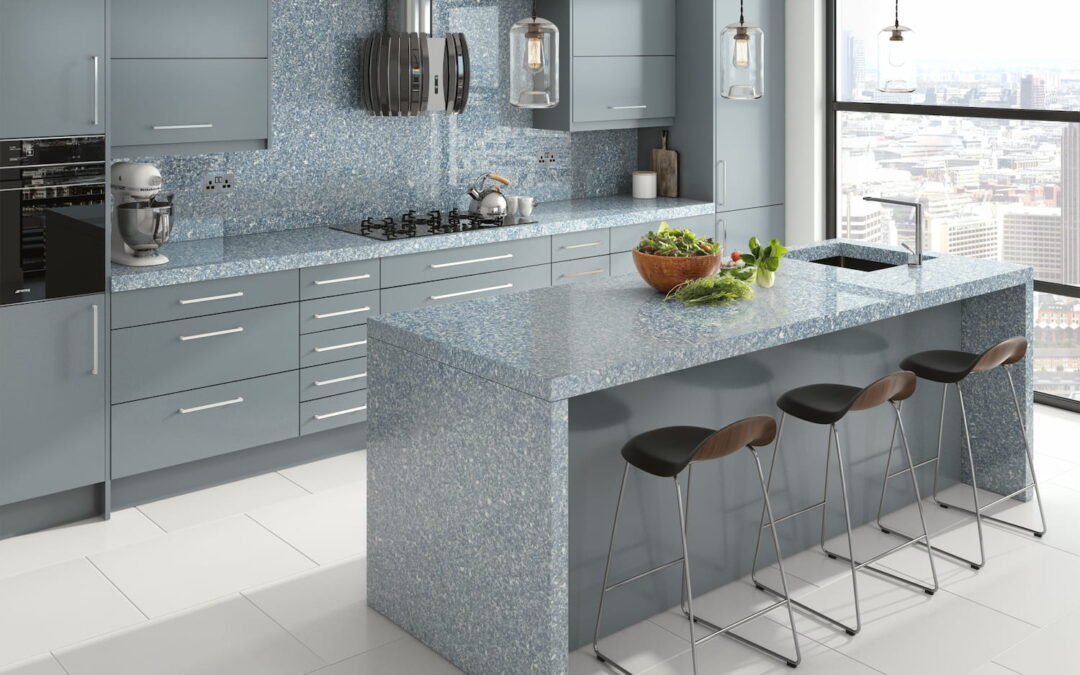
Granite countertops continue to dominate the home renovation and interior design market for good reason. As one of the most sought-after countertop materials, granite countertops offer a powerful combination of durability, natural beauty, and long-term value. Whether you’re revamping your kitchen, upgrading a bathroom, or adding value to your home for resale, granite remains a timeless and reliable investment.
Known for its rich visual texture, scratch resistance, and ability to withstand heat, granite is more than just a luxury material—it’s a practical and performance-driven choice for homeowners in Randolph, NJ, and beyond. Available in a wide range of colors, patterns, and edge styles, granite can be customized to suit virtually any interior aesthetic. But before you commit, it’s important to understand all the benefits and potential drawbacks of this premium stone.
In this guide, we explore everything you need to know about granite countertops—how long they last, their pros and cons, care tips, custom design options, and whether they’re truly worth the investment.
What Is the Lifespan of Granite Countertops?
Built to Last for Generations
Granite countertops are considered one of the most durable options available. As a natural stone formed deep within the Earth over millions of years, granite is naturally resistant to heat, pressure, and heavy impact. With proper care and regular maintenance, granite countertops can last several decades—often 30 years or more, making them one of the longest-lasting countertop materials on the market.
The longevity of granite depends on several key factors:
- Stone Quality: High-grade granite is denser and less porous, offering greater resistance to damage, staining, and everyday wear.
- Usage: Countertops used daily in busy kitchens are more likely to show signs of wear than those in bathrooms or guest spaces.
- Maintenance: Regular sealing, proper cleaning, and avoiding harsh chemicals can significantly extend the lifespan of your granite surfaces.
In some historical buildings, granite surfaces have lasted over 100 years with minimal signs of degradation. This enduring quality is a testament to the toughness and timelessness of granite. Many homeowners even pass down granite countertops to future generations by repurposing slabs during renovations.
Despite their strength, granite countertops are not indestructible. If left unsealed or subjected to acidic substances over time, they can become discolored or etched. However, these risks are easily mitigated with minimal upkeep. Overall, granite is one of the few countertop surfaces that, when properly installed and maintained, can outlast the rest of your home’s interior finishes.
What Are the Pros and Cons of Using Granite for Countertops?
Pros of Granite Countertops
1. Exceptional Durability
Granite is renowned for its strength. It resists chipping, scratching, and cracking under typical household use, making it ideal for busy kitchens where heavy pots, sharp knives, and high temperatures are common.
2. Heat Resistance
Unlike engineered surfaces, granite can withstand high heat without damage. You can safely place hot pans directly on the surface, though trivets are still recommended for long-term preservation.
3. Natural Beauty and Variety
Each slab of granite is unique. With thousands of color and pattern combinations available—ranging from earthy browns and greens to dramatic black and white contrasts—there’s a granite option to suit every style. No two countertops are alike, adding true one-of-a-kind elegance to your space.
4. Increases Home Value
Granite countertops are considered a premium feature. They can enhance the resale value of your home and attract potential buyers looking for durable, upscale finishes.
5. Easy to Clean and Maintain
When properly sealed, granite is non-porous and naturally resistant to bacteria, making it hygienic for food prep. Cleaning only requires warm water, mild soap, and a soft cloth.
6. Environmentally Friendly
As a natural product, granite doesn’t emit harmful chemicals. It’s harvested from the earth and requires minimal processing compared to man-made materials, making it a sustainable choice when sourced responsibly.
Cons of Granite Countertops
1. Higher Cost
Granite can be expensive, especially for rarer stones or complex installations. However, the long lifespan often offsets the initial investment.
2. Regular Sealing Required
To prevent staining and protect the stone’s integrity, granite countertops need to be sealed every 1 to 2 years, depending on usage and stone type.
3. Weight
Granite is a heavy material. Cabinetry and supports may need reinforcement to bear the weight, especially with thicker slabs or large kitchen islands.
4. Potential for Staining
Though sealed granite is non-porous, unsealed or poorly maintained granite can absorb spills. Substances like red wine, coffee, and oil can stain the surface if left for too long.
5. Professional Installation Required
Installing granite is not a DIY project. Precision cutting, handling, and placement require experienced fabricators to avoid damage or improper installation.
Despite these challenges, granite countertops remain a favorite for homeowners who value durability, elegance, and long-term performance.
Are Granite Countertops Worth It?
Smart Investment for Function and Style
Deciding whether granite countertops are worth it ultimately comes down to your budget, lifestyle, and design preferences. For many homeowners, the benefits far outweigh the drawbacks.
If you love cooking, entertain often, or want a kitchen that can handle years of heavy use, granite is a smart investment. Its durability alone makes it worth considering, but when you factor in its heat resistance, low maintenance, and visual appeal, it’s clear why granite remains a top-tier choice.
Granite’s status as a high-end material adds aesthetic and financial value to your home. Whether you plan to live in your space for decades or sell within a few years, granite countertops are seen as a desirable feature by buyers.
Even though the upfront cost can be higher than other materials, granite’s longevity and minimal upkeep make it cost-effective over time. With basic care and regular sealing, granite countertops can remain pristine for decades.
Granite Countertop Design Options and Customization
From Rustic to Contemporary
Granite’s versatility allows it to seamlessly integrate into any design style. Whether you’re designing a rustic farmhouse kitchen, a classic traditional home, or a sleek contemporary bath, granite can be customized to match your vision.
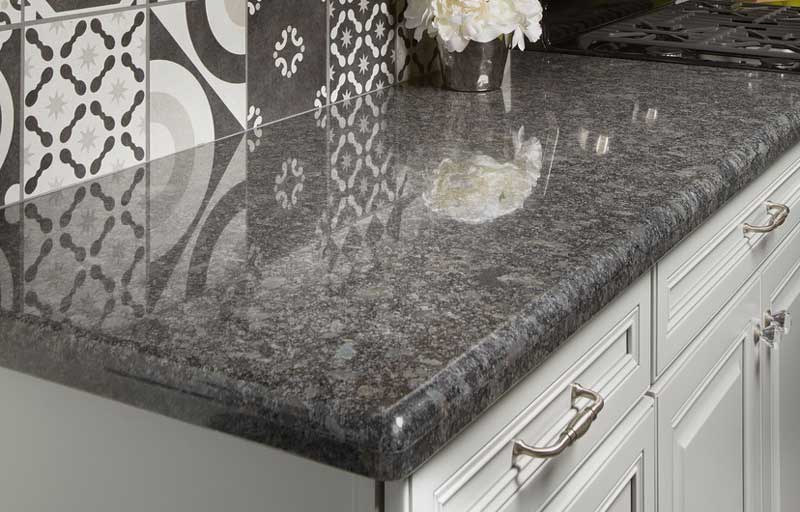
Color choices range from subtle creams and greys to bold blacks, blues, and reds. Some granite slabs feature intricate veining or speckled patterns, while others offer smoother, more uniform surfaces. Polished finishes reflect light for a glossy look, while honed finishes offer a matte, understated effect.
Popular edge profiles include:
- Eased Edge
- Beveled Edge
- Ogee Edge
- Bullnose
- Waterfall Edge
Granite is also frequently used for backsplashes, islands, fireplace surrounds, coffee tables, window sills, and even outdoor kitchens due to its weather resistance. With the help of expert fabricators, you can design a fully integrated look that enhances your entire space.
For larger installations, bookmatching is a design technique that uses adjacent slabs from the same block of granite to create a mirrored effect. This can make a striking impact in high-end kitchens or grand bathroom vanities.
Tips for Maintaining Granite Countertops
- Seal regularly: Apply a high-quality sealer every 12–24 months, depending on your usage and stone porosity.
- Clean gently: Use mild dish soap and warm water. Avoid acidic or abrasive cleaners.
- Use cutting boards: Although scratch-resistant, using boards protects both your knives and the finish.
- Wipe spills quickly: Prevent staining by immediately cleaning up liquids, especially oil, wine, or juice.
- Avoid harsh impacts: While strong, granite can chip if heavy objects are dropped on corners or edges.
- Use trivets for appliances: Avoid direct contact from hot pans or crockpots to preserve sealant longevity.
- Avoid bleach-based cleaners: These can strip the sealant and degrade the stone over time.
Following these practices will ensure your granite countertops remain beautiful and functional for decades. For a deeper clean or repair, consult your installer or a stone care professional who can polish or reseal the surface.
Granite Countertops in Randolph, NJ – Fabrication & Installation Experts
At All Quartz Marble and Granite, we specialize in crafting stunning, long-lasting granite countertops that bring value and beauty to your home. Serving Randolph, NJ and the surrounding areas, our experienced team helps you choose the perfect granite slab for your project, then cuts and installs it with precision and care.
From helping you navigate design decisions to ensuring flawless installation, we handle the entire process from start to finish. We offer:
- A wide variety of premium granite slabs
- Custom edge and finish options
- Fast, reliable installation by skilled professionals
- Competitive pricing and transparent quotes
- Maintenance and sealing guidance for lasting beauty
Whether you’re building your dream kitchen or upgrading your bathroom, trust our craftsmanship and commitment to quality.
Contact All Quartz Marble and Granite
Upgrade your home with elegant, long-lasting granite countertops from All Quartz Marble and Granite—Randolph’s trusted name in premium stone surfaces.
📍 Address: 12 Middlebury Blvd, Randolph, NJ
📞 Call us at: 908-356-5613
🌐 Website: https://allquartznj.com/