

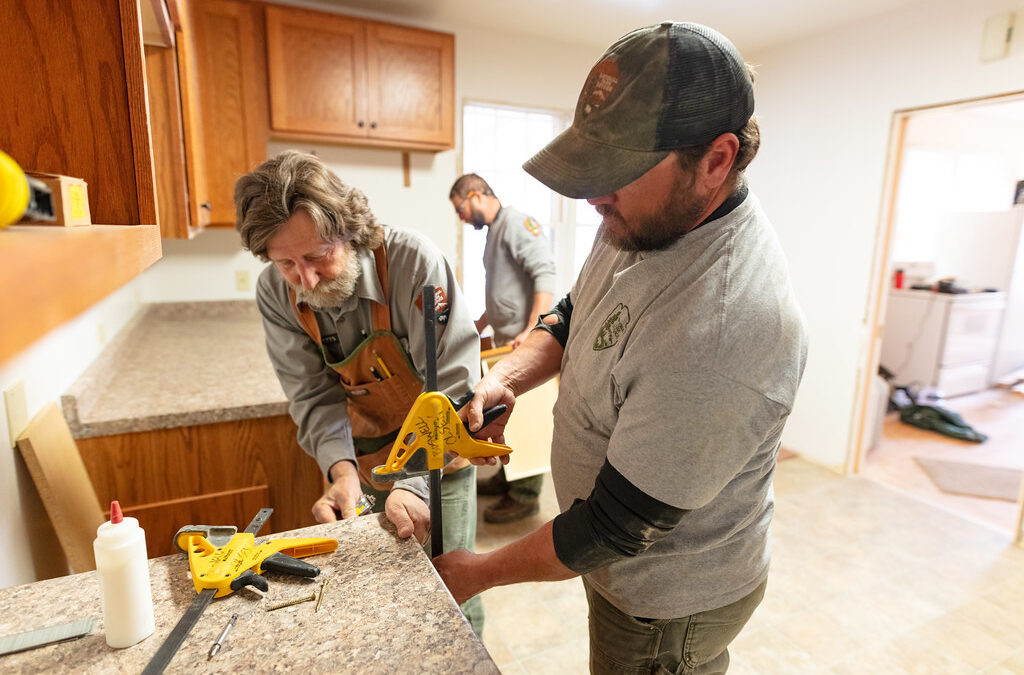
Installing a new countertop is one of the most transformative upgrades you can make to your kitchen or bathroom. Among all available materials, Quartz Countertop Installation has surged in popularity in New Jersey thanks to quartz’s unparalleled combination of beauty, strength, and low maintenance. But while the finished product is stunning, the process that brings it to life is equally important. For NJ homeowners planning this upgrade, understanding what to expect before, during, and after the installation ensures a smoother, stress-free experience.
From the first design consultation to the final polish, installing a quartz countertop involves several precise steps—each playing a crucial role in delivering a seamless, functional surface that lasts for decades. This article will guide you through the entire process: measuring, templating, fabrication, and installation. You’ll learn what your role as a homeowner is, how to prepare your space, and what professional installers will do when they arrive.
Whether you’re remodeling a kitchen in Morristown or upgrading a bathroom in Montclair, this comprehensive guide is tailored for NJ homeowners. It will give you clear expectations so you can approach your quartz upgrade with confidence and clarity. Let’s walk through the full quartz installation journey and uncover how to ensure your investment brings lasting value and style to your home.
Initial Consultation and Material Selection
The first step in any successful Quartz Countertop Installation is the initial consultation. During this meeting, you’ll work with a fabricator or designer to determine your needs, preferences, and budget. This is the stage where you’ll discuss the overall look of your kitchen or bathroom and how the countertop will fit into the design vision.
At All Quartz Co., we help clients in NJ explore a wide range of quartz options—from neutral solids to dramatic veining patterns that resemble marble or granite. The goal is to find a slab that matches your aesthetic goals while also meeting functional requirements. Color, finish, and thickness are key choices here. You’ll also consider the edge profile (like beveled, eased, or waterfall) and any integrated features like sink cut-outs or backsplashes.
In some cases, a designer might visit your home to get a better sense of the space. This ensures that the selected slab suits not only the design vision but also the scale and lighting of the room. Expect to be shown sample pieces or digital renderings that can help you visualize how the quartz will look installed.
Ultimately, the consultation phase is a chance to ask questions and clarify expectations. It’s also your first opportunity to review pricing and scheduling. Choosing the right material at this point sets the tone for the entire project and ensures your quartz surface meets both your style and lifestyle needs.
Templating: Precision Measuring for a Perfect Fit
Once the material is chosen, the next step in Quartz Countertop Installation is templating. This critical phase involves highly accurate measurements of your existing countertops, cabinets, and walls. The installer will create a digital or physical template that replicates the exact shape and size of your new quartz slab.
In New Jersey homes—where room shapes may vary due to older construction or custom cabinetry—precision is crucial. Any uneven walls, corner angles, or appliance placements must be accounted for. Using tools like laser measuring devices or digital templating systems, technicians capture every dimension with meticulous detail.
Templating also considers practical elements such as sink placement, stove cutouts, and electrical outlet spacing. During this visit, it’s helpful to have appliances already on-site so their dimensions and location can be included. This is your opportunity to finalize decisions about overhangs, backsplashes, and seam placement.
Because quartz slabs are cut to match this template exactly, accuracy is vital. Once the template is complete, it will be sent to the fabrication facility, where your slab will be cut and shaped accordingly. Homeowners should avoid making any layout or cabinetry changes after templating—any adjustments could lead to misalignment or delays.
The templating process is typically completed in a few hours, but its importance cannot be overstated. It’s the blueprint for your entire installation, ensuring the finished product fits like a glove and enhances both the beauty and function of your space.
HUD – Home Improvement Advice: Useful for homeowners exploring remodeling options in NJ.
Fabrication: Cutting and Preparing the Quartz Slab
After templating, your quartz slab heads into fabrication. This is where the Quartz Countertop Installation process begins to take physical form. At the fabrication shop, the template is used to cut your chosen slab with industrial-grade machinery. Water-cooled saws and CNC routers ensure accuracy while preventing heat damage.
The fabricator will cut the slab to the precise dimensions, including openings for sinks, faucets, and cooktops. If your design includes features like a waterfall edge, curved corners, or detailed profiles, this is the stage where they are carefully sculpted. Each detail is tailored to match the approved template.
Quartz, being a man-made stone, is more uniform than natural stone—this means fewer imperfections and less waste during fabrication. Still, a skilled eye is essential. The fabricator will inspect the slab before and after cutting to ensure consistency in veining or pattern if multiple pieces are used.
Polishing is also part of this phase. The top surface and edges are refined to create the desired sheen, whether it’s glossy, matte, or textured. Fabricators will smooth the underside of sink cutouts and ensure the edge profiles are clean and consistent.
Depending on your location in NJ and the shop’s workload, fabrication typically takes 7–10 business days. During this time, homeowners should prepare the site for delivery and installation—clearing access, ensuring cabinets are secured, and removing any old countertops if not included in the service.
Preparing Your Space for Installation Day
Preparation is key to ensuring a smooth Quartz Countertop Installation process. Before the installers arrive, homeowners should make sure the space is clean, accessible, and ready for heavy materials and tools. Clear countertops, remove small appliances, and empty lower cabinets, especially around sink and cooktop areas.
Make sure entryways and hallways are clear so that large slabs can be safely brought into the space. Quartz is heavy—most pieces require two or more installers to carry, and tight turns or staircases can complicate the job. If possible, remove fragile items from nearby walls or shelves to prevent accidental damage during transport.
Ensure your base cabinets are level and securely anchored. If you’ve made any recent changes to your cabinetry or appliances, notify your installer so adjustments can be made in advance. The sink and faucet should be on-site so installers can double-check fit and make accurate cutouts.
Disconnect and move any plumbing fixtures or gas appliances in the work area. If this isn’t something you’re comfortable doing, arrange for a plumber to assist before or after the countertop installation. Installers typically won’t handle plumbing or electrical work as part of their service.
By preparing your home in advance, you minimize delays and help the installers work efficiently. A well-prepared space allows them to focus on precision and craftsmanship, ensuring your new quartz countertop is installed quickly and correctly the first time.
Delivery and On-Site Inspection of the Quartz Slab
When installation day arrives, the first step is the delivery and inspection of your quartz slab. Installers will carefully bring the slab into your home using specialized carrying equipment. In some NJ homes with narrow staircases or long hallways, maneuvering large pieces can be challenging, which is why advance prep is so important.
Once inside, the crew will lay the slab on the cabinets without securing it immediately. This gives them a chance to double-check alignment, overhangs, and cutouts against the actual conditions of your kitchen or bathroom. At this point, they’ll confirm everything matches the template and that the quartz rests flat and stable across your base cabinets.
The installers will also inspect the quartz slab for any cracks, chips, or color inconsistencies before proceeding. Because quartz is pre-polished and fabricated, last-minute changes are rare. However, minor adjustments can sometimes be made on-site to accommodate unique wall angles or sink placements.
Homeowners should be available during this time in case approval is needed or final positioning is reviewed. This is your last opportunity to ask questions or raise concerns before the slab is permanently adhered.
A successful delivery and inspection set the stage for final installation. Once everyone is satisfied with the fit and finish, the installers move to the bonding phase where the countertop is secured to the cabinetry and seams are sealed.

Securing the Quartz and Seaming
With placement confirmed, the next step in your Quartz Countertop Installation is bonding the slab to the cabinetry. Installers apply heavy-duty adhesive or silicone to the tops of the base cabinets to create a strong, permanent bond. The quartz slab is then gently lowered into place and pressed evenly to ensure proper adhesion.
If your countertop consists of multiple slabs—common in L-shaped or larger kitchens—installers will need to join the seams. This is a precise process that involves aligning the two pieces so the seam is as tight and inconspicuous as possible. A color-matched epoxy is used to fill the gap, then smoothed and cured to create a nearly seamless look.
Quartz’s consistent color and pattern make it easier to hide seams compared to natural stone. Still, skilled craftsmanship is essential. The installer will use suction tools and clamps to pull the pieces together while the adhesive sets. Once hardened, the area is polished so the joint is flush and smooth.
After bonding, the installers check again for levelness and clean up any excess adhesive. The sink and faucet are also test-fitted to ensure all openings align perfectly. This phase requires attention to detail and patience, as it finalizes the placement and structural integrity of your new countertop.
Once the bonding and seaming are complete, your quartz countertop is secure and ready for finishing touches.
Finishing Touches and Clean-Up
After the quartz slab is secured and seams are sealed, the installers move on to the final steps. This includes fitting your sink, faucet, and any additional accessories like soap dispensers or filtered water taps. While most installers do not handle plumbing reconnection, they’ll ensure all fixtures align properly and leave the area ready for your plumber to complete the job.
Next, they’ll clean the entire surface using non-abrasive cleaners to remove dust, adhesive residue, and fingerprints. If your design includes a backsplash, this is also the time it’s installed—either in matching quartz or a complementary tile of your choosing.
The installation team will conduct a final inspection with you to confirm everything meets expectations. They’ll point out any details about care, such as how long to wait before reconnecting plumbing or placing heavy items on the surface. You’ll also receive warranty information and product care instructions to ensure your new quartz remains in perfect condition.
Clean-up is included in the service, so the team will remove debris, vacuum dust, and haul away any old countertops or packaging materials. The goal is to leave your space looking clean, refreshed, and ready to use.
With everything in place, your new quartz countertop is now the stunning, functional centerpiece of your kitchen or bathroom—ready to handle years of daily use while maintaining its elegance and strength.
Understanding the Timeline and What Can Affect It
One of the most common questions NJ homeowners ask about Quartz Countertop Installation is, “How long will the whole process take?” The timeline typically ranges from 7 to 14 business days once templating is complete. However, several factors can influence this estimate, and it’s helpful to understand them early to manage expectations.
After your consultation and material selection, templating usually happens within a few days. Once the digital template is sent to the fabrication team, the slab cutting, edging, and polishing typically take one to two weeks. If your quartz slab is in stock and the design is simple, this can move quickly. However, custom features—like waterfall edges, complex cutouts, or imported slabs—may add time.
Local permitting or HOA approvals can also extend the timeline, especially in historic districts or condos with remodeling restrictions. Lastly, weather can play a role during transportation or delivery, particularly during winter months in NJ when snow and ice can slow down truck routes.
To minimize delays, keep communication open with your installer, and ensure that plumbing, electrical, and cabinetry work is completed before installation day. While timelines can vary slightly, working with a reputable company like All Quartz Co. ensures prompt communication and transparency every step of the way—so you’re never left guessing when your new countertops will be ready.
Post-Installation Care and Long-Term Maintenance
Once your quartz countertops are installed, maintaining their sleek appearance and durability is refreshingly simple. Unlike natural stones like granite or marble, quartz is non-porous, meaning it doesn’t require sealing. That also makes it resistant to bacteria, mold, and mildew—a valuable benefit for kitchens and bathrooms where hygiene is essential.
Cleaning is as easy as wiping the surface with a soft cloth and mild soap. Avoid abrasive cleaners or scrubbing pads that could dull the finish over time. Quartz is resistant to stains, but it’s still good practice to wipe up spills promptly—especially from substances like wine, coffee, or makeup. For dried-on messes, use a plastic scraper or non-scratch pad.
To maintain its luster, use products recommended by your installer or found in quartz-safe cleaning guides from manufacturers. Avoid placing hot pots or styling tools directly on the surface; instead, use trivets or heat pads to protect from thermal shock, which, though rare, can cause cracks or discoloration.
Proper care will keep your quartz countertops looking flawless for decades. Regular inspections of seams and caulking ensure no moisture seeps into cabinetry. Quartz is built to last, and with minimal maintenance, your investment remains as stunning as the day it was installed. It’s a lasting upgrade in both design and everyday performance.
Why All Quartz Co?
At All Quartz Co., we’re proud to bring top-tier Quartz Countertop Installation services to homes across New Jersey. Our experienced team ensures every step—from consultation to clean-up—is executed with precision and care. We work with you closely to select the perfect quartz, craft it to perfection, and install it seamlessly so your home reflects both style and function.
Whether you’re in Morristown, Summit, Montclair, or beyond, we’re here to deliver results you can trust. Let us transform your space with a countertop that combines timeless beauty with unbeatable performance.
Contact Us
Website: https://allquartznj.com/
Adress: 1 Apollo Dr Unit B, Whippany, NJ 07981
Phone: (908) 488-5602
Email: sales@allquartz.co